Mindful Consumption 2026: Digital Clutter & Well-being Solutions

In an increasingly hyper-connected world, the concept of Mindful Digital Consumption has never been more critical. As we step into 2026, the relentless barrage of information, notifications, and endless scrolling continues to challenge our focus, mental well-being, and overall quality of life. The digital landscape, while offering unparalleled convenience and connectivity, has also become a breeding ground for digital clutter, leading to stress, anxiety, and a diminished sense of presence. This article delves deep into practical solutions for reducing digital clutter and enhancing well-being, offering actionable strategies to navigate the digital age with intention and purpose.
The average individual today spends an astonishing amount of time interacting with digital devices. From smartphones and tablets to laptops and smart wearables, our lives are intrinsically woven into the fabric of technology. This constant engagement, however, comes at a cost. The phenomenon of ‘digital overload’ is a real and growing concern, impacting cognitive function, sleep patterns, and interpersonal relationships. It’s not about abandoning technology altogether, but rather about cultivating a more conscious and deliberate relationship with it – embracing Mindful Digital Consumption.
The goal is to harness the power of digital tools without becoming enslaved by them. By implementing thoughtful strategies, we can transform our digital habits from reactive to proactive, thereby fostering a healthier and more balanced existence. This journey towards digital well-being is not a one-time fix but an ongoing practice of awareness and adjustment. It involves understanding the psychological mechanisms behind our digital behaviors and actively working to reshape them for our benefit.
The urgency to address digital clutter and its impact on well-being is amplified by the rapid advancements in AI, virtual reality, and augmented reality. These technologies, while promising immense potential, also introduce new layers of digital interaction that can further exacerbate existing challenges if not approached with mindfulness. Therefore, establishing robust practices for Mindful Digital Consumption now will be crucial for thriving in the technological ecosystem of the future.
Understanding the Scope of Digital Clutter
Before we can effectively tackle digital clutter, it’s essential to understand what it encompasses. Digital clutter isn’t just about a messy desktop or an overflowing email inbox; it’s a pervasive issue that infiltrates various aspects of our digital lives. It includes:
- Information Overload: The sheer volume of news, social media feeds, articles, and videos that we consume daily can overwhelm our cognitive capacity, making it difficult to process information effectively and retain what’s important.
- Notification Fatigue: Constant pings, vibrations, and banners from apps, emails, and messages create a perpetual state of distraction, fragmenting our attention and hindering deep work or focused leisure.
- Excessive Digital Files: Unorganized documents, duplicate photos, unused apps, and a chaotic cloud storage system contribute to a sense of disarray and make it challenging to find what we need when we need it.
- Subscription Overload: Being subscribed to countless newsletters, streaming services, and online communities can lead to an endless stream of content that demands our time and attention, often without providing significant value.
- Social Media Pressure: The constant comparison, the pressure to present a curated online persona, and the fear of missing out (FOMO) can significantly impact mental health and self-esteem.
- Unused Apps and Accounts: Many of us have dozens of apps downloaded and accounts created that we rarely, if ever, use. These dormant digital entities still contribute to the overall noise and potential security risks.
Recognizing these forms of digital clutter is the first step towards adopting Mindful Digital Consumption. It allows us to pinpoint the specific areas where we need to apply our decluttering efforts and develop targeted strategies for a more organized and peaceful digital existence. The cumulative effect of these seemingly small digital inefficiencies can lead to significant psychological strain, manifesting as increased stress, decreased productivity, and a general feeling of being overwhelmed.
The Impact of Digital Clutter on Well-being
The ramifications of unmanaged digital clutter extend far beyond mere inconvenience. They deeply affect our mental, emotional, and physical well-being. Understanding these impacts can serve as a powerful motivator to embrace Mindful Digital Consumption practices.
Mental Well-being
- Reduced Attention Span: The constant switching between tasks and notifications trains our brains to seek novelty, making it harder to concentrate on a single task for extended periods. This can impair our ability to engage in deep work or sustained creative thinking.
- Increased Stress and Anxiety: The feeling of being perpetually ‘on call’ or the pressure to respond immediately to messages can lead to chronic stress. The fear of missing out (FOMO) fueled by social media can also contribute to anxiety and dissatisfaction.
- Cognitive Overload: Our brains have a finite capacity for processing information. Digital clutter pushes us beyond this limit, leading to mental fatigue, difficulty making decisions, and a general sense of being overwhelmed.
- Diminished Creativity: A cluttered digital environment often translates to a cluttered mind, leaving little room for imaginative thought and innovative problem-solving.
Emotional Well-being
- Lower Self-Esteem: Constant exposure to idealized online lives can foster feelings of inadequacy and self-doubt. The pressure to maintain a perfect online image can also be emotionally draining.
- Social Isolation: Paradoxically, despite being hyper-connected, excessive digital consumption can lead to real-world social isolation as virtual interactions replace meaningful face-to-face connections.
- Mood Swings: The dopamine hits from likes and notifications, followed by the inevitable dips, can contribute to mood instability and a reliance on external validation.
Physical Well-being
- Sleep Disturbances: Blue light emitted from screens interferes with melatonin production, disrupting our natural sleep cycles. Late-night scrolling can also keep our minds overstimulated, making it difficult to fall asleep.
- Sedentary Lifestyle: Increased screen time often means less physical activity, contributing to health issues such as obesity, cardiovascular problems, and musculoskeletal strain.
- Eye Strain and Headaches: Prolonged exposure to screens can lead to digital eye strain, characterized by dry eyes, blurred vision, and headaches.
These impacts underscore the urgent need for a proactive approach to our digital habits. Embracing Mindful Digital Consumption is not a luxury but a necessity for safeguarding our well-being in the digital age. It empowers us to regain control over our attention and energy, redirecting them towards activities that truly enrich our lives.
Practical Solutions for Reducing Digital Clutter in 2026
The good news is that reducing digital clutter and enhancing well-being through Mindful Digital Consumption is entirely achievable with a strategic approach. Here are practical solutions you can implement starting today:
1. The Digital Decluttering Audit: A Systematic Approach
Just as you would declutter your physical space, conduct a thorough audit of your digital life. This involves systematically reviewing and organizing your digital assets.
- Email Management: Dedicate specific times for checking emails. Unsubscribe from unnecessary newsletters. Implement a ‘four D’s’ rule: Delete, Do, Delegate, Defer. Utilize email filters and folders to automatically sort incoming messages. Consider using a separate email address for subscriptions and online shopping to keep your primary inbox clean.
- File and Cloud Storage Organization: Create a logical folder structure for your documents, photos, and other files. Delete duplicates and old, irrelevant files. Regularly back up important data and consider using cloud storage services with clear organizational principles. Periodically review your cloud storage to ensure it’s not accumulating digital junk.
- App and Software Purge: Go through your smartphone, tablet, and computer and delete any apps or software you haven’t used in the last 3-6 months. Turn off notifications for all but essential apps. Consolidate similar apps where possible. For productivity apps, choose one or two that truly serve your needs rather than having multiple overlapping tools.
- Desktop and Home Screen Minimalism: Keep your desktop and phone home screen clean and free of icons. Use folders to group related apps. The less visual clutter, the less cognitive load. Consider using minimalist wallpapers that promote calm.
2. Cultivating Intentional Digital Habits
Beyond decluttering, it’s crucial to cultivate new habits that promote Mindful Digital Consumption.
- Scheduled Screen Time: Designate specific times for checking social media, news, and emails. Avoid mindlessly picking up your device throughout the day. Use app timers or website blockers to enforce these limits.
- Notification Management: Turn off all non-essential notifications. Only allow notifications from people or apps that require immediate attention. This significantly reduces interruptions and allows for sustained focus. Consider a ‘Do Not Disturb’ schedule during work hours and before bedtime.
- Digital-Free Zones and Times: Establish areas in your home (e.g., bedroom, dining table) where digital devices are not allowed. Implement digital-free times, such as the first hour after waking up or the last hour before bed. This creates space for reflection, connection, and restorative activities.
- Mindful Social Media Engagement: Be intentional about who you follow and what content you consume. Unfollow accounts that don’t add value or make you feel inadequate. Engage with social media as a tool for connection and learning, rather than passive consumption. Consider short, focused sessions instead of endless scrolling.
- The ‘Why’ Behind Your Usage: Before engaging with a digital device or app, ask yourself: ‘Why am I doing this? What value will this bring?’ This simple question can help you distinguish between intentional use and habitual, mindless consumption.
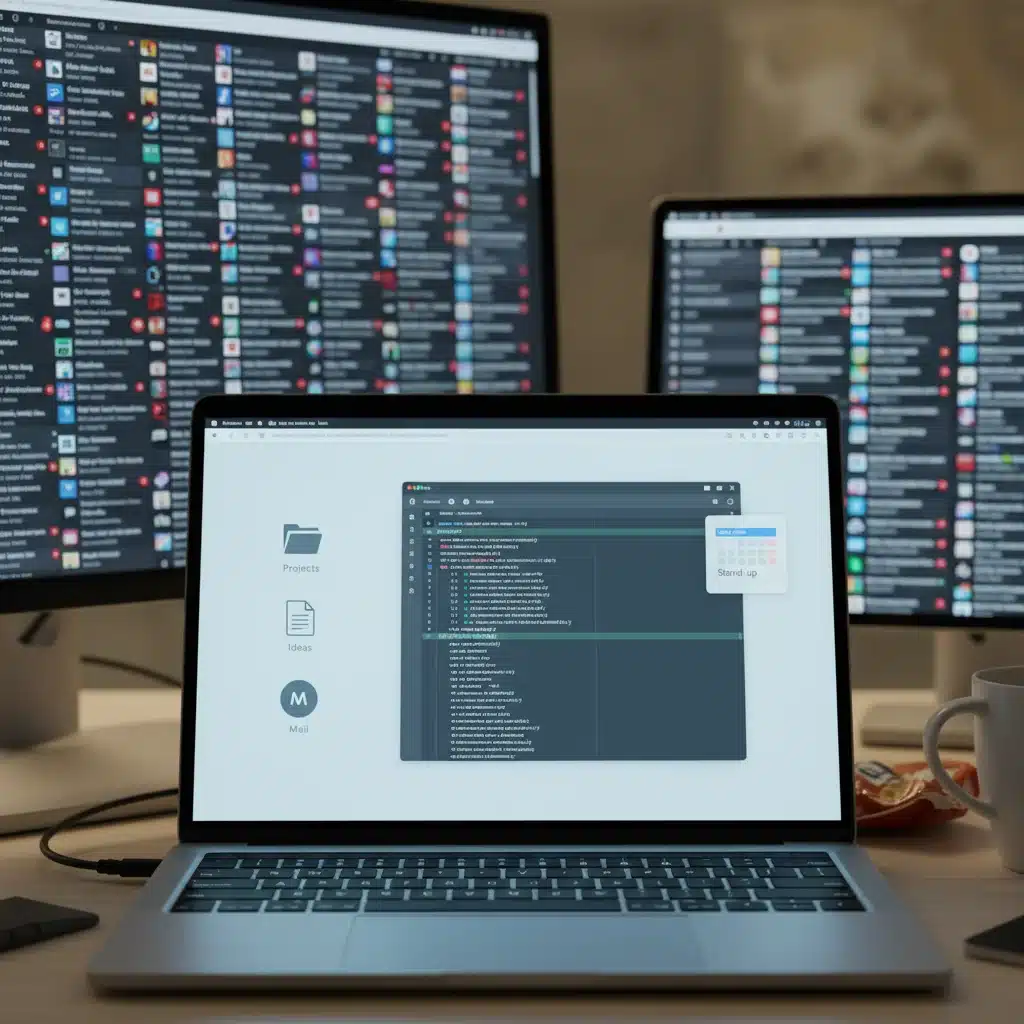
3. Leveraging Technology for Mindfulness
Ironically, technology itself can be a powerful ally in fostering Mindful Digital Consumption.
- Productivity Apps: Utilize apps designed to block distractions, track screen time, or facilitate focused work (e.g., Pomodoro timers, website blockers).
- Meditation and Mindfulness Apps: Apps like Calm or Headspace can help train your attention and reduce anxiety, providing an antidote to digital overload.
- Digital Well-being Features: Most operating systems now include built-in digital well-being tools that allow you to monitor and manage your screen time, app usage, and notification settings. Make use of these features.
- Smart Home Integration: Use smart home devices to automate tasks, reducing the need to constantly check your phone for reminders or controls.
4. Prioritizing Real-World Connections and Experiences
A crucial aspect of enhancing well-being through Mindful Digital Consumption is actively prioritizing offline experiences.
- Nurture Relationships: Invest time in face-to-face interactions with friends and family. Put away your phone during meals and conversations.
- Engage in Hobbies: Rediscover or cultivate hobbies that don’t involve screens, such as reading physical books, painting, gardening, cooking, or playing sports.
- Spend Time in Nature: Regular exposure to natural environments has proven benefits for mental health, reducing stress and improving mood. Make it a point to disconnect and immerse yourself in nature.
- Practice Self-Reflection: Journaling, meditation, or simply quiet contemplation can help you process thoughts and emotions without digital interference.
By consciously shifting focus from the digital realm to the tangible world, we can create a more balanced and fulfilling life. This re-prioritization is not about rejecting technology, but about using it as a tool to enhance, rather than detract from, our human experience.
Challenges and Overcoming Them in Your Mindful Digital Consumption Journey
Embarking on a journey of Mindful Digital Consumption is not without its challenges. The pervasive nature of technology and the ingrained habits we’ve developed can make it difficult to implement lasting change. However, by anticipating these hurdles and developing strategies to overcome them, you can significantly increase your chances of success.
1. The Habit Loop: Breaking Free from Autopilot
Many of our digital interactions are driven by habit loops – a cue (e.g., a notification, boredom), a routine (e.g., checking social media), and a reward (e.g., a dopamine hit from new content). Breaking these loops requires conscious effort and replacement behaviors.
- Identify Your Cues: Pay attention to what triggers you to reach for your device. Is it boredom, stress, a specific time of day?
- Substitute the Routine: Instead of mindlessly scrolling, replace the old routine with a healthier alternative. If you feel bored, pick up a book, go for a short walk, or engage in a quick stretching exercise.
- Redefine Your Rewards: Seek rewards that offer deeper satisfaction than fleeting digital gratification. The satisfaction of completing a task, having a meaningful conversation, or experiencing nature can be far more fulfilling.
2. Social Pressure and FOMO (Fear Of Missing Out)
Social media often creates a pressure to be constantly available and informed, leading to FOMO if we disconnect.
- Communicate Your Intentions: Let friends and family know you’re practicing Mindful Digital Consumption. This can reduce the expectation of instant replies.
- Reframe FOMO: Instead of fearing what you might miss online, focus on the joy and presence you gain offline. Embrace JOMO (Joy Of Missing Out).
- Curate Your Feed: Aggressively unfollow accounts that trigger comparison or anxiety. Focus on positive, inspiring content.
3. Work-Life Blurring
For many, work increasingly involves digital tools, making it challenging to disconnect. The lines between professional and personal digital use can become blurred.
- Establish Clear Boundaries: Set strict work hours and stick to them. Avoid checking work emails or messages outside these times.
- Dedicated Devices: If possible, use separate devices for work and personal use. This creates a physical separation that aids mental detachment.
- Communicate Expectations: Discuss with your employer or colleagues about your availability and response times, setting realistic expectations to avoid feeling pressured to be constantly online.
4. The Allure of Novelty and Endless Content
The internet is designed to be addictive, constantly offering new content and experiences. This can make it hard to disengage.
- Conscious Content Consumption: Before diving into a new video or article, ask yourself if it aligns with your goals or genuinely interests you. Avoid passive consumption.
- Set Time Limits: Use built-in device features or third-party apps to set daily limits for specific apps or categories of content.
- Practice Digital Sabbaticals: Periodically take longer breaks from digital devices, such as a weekend-long digital detox. This can reset your relationship with technology and highlight what you truly miss (or don’t miss).

Measuring Progress and Sustaining Mindful Digital Consumption
The journey towards Mindful Digital Consumption is ongoing, and it’s important to measure your progress and adapt your strategies over time. This isn’t about achieving perfection, but about continuous improvement and self-awareness.
1. Track Your Usage
Many smartphones and operating systems now offer detailed reports on screen time and app usage. Regularly review these reports to gain insights into your habits. Seeing the data in black and white can be a powerful motivator for change. Identify which apps consume most of your time and evaluate if that usage aligns with your values and goals for Mindful Digital Consumption.
2. Journal Your Experiences
Keep a journal to record how you feel after periods of intense digital use versus periods of deliberate disconnection. Note down your mood, energy levels, and productivity. This qualitative data can provide valuable insights that quantitative usage statistics might miss. For example, you might notice that even a short burst of social media checking leaves you feeling drained, while an hour spent reading a physical book leaves you refreshed.
3. Set Realistic Goals
Don’t try to overhaul all your digital habits overnight. Start with small, manageable goals. Perhaps it’s reducing social media time by 30 minutes a day, or having one digital-free meal. As you achieve these smaller goals, you’ll build momentum and confidence to tackle bigger changes. Celebrate these small victories in your journey towards Mindful Digital Consumption.
4. Find an Accountability Partner
Share your goals with a friend, family member, or colleague who is also interested in improving their digital well-being. You can support each other, share tips, and hold each other accountable. This external motivation can be incredibly helpful when willpower wanes.
5. Regular Digital Audits
Just as you perform a spring cleaning for your home, schedule regular digital audits – perhaps quarterly or bi-annually. This involves revisiting your digital files, subscriptions, apps, and notification settings to ensure they still serve your purpose and haven’t accumulated new clutter. This proactive maintenance is key to sustaining Mindful Digital Consumption.
6. Embrace Flexibility
Life happens, and sometimes you might deviate from your ideal digital habits. Don’t let a slip-up derail your entire effort. Acknowledge it, learn from it, and get back on track. The goal is not rigid adherence but a flexible, mindful approach that adapts to your life’s demands while keeping your well-being a priority.
7. Educate Yourself and Others
Stay informed about the latest research on digital well-being and the psychology of technology. The more you understand how digital platforms are designed to capture your attention, the better equipped you’ll be to resist their pull. Share your insights and experiences with others, helping to foster a wider community that values Mindful Digital Consumption.
Conclusion: Embracing a Balanced Digital Future
As we navigate 2026 and beyond, the ability to practice Mindful Digital Consumption will become an increasingly vital skill for fostering personal well-being and productivity. The digital world is not going away; instead, it will continue to evolve and integrate further into our lives. Our power lies not in resisting technology, but in mastering our relationship with it.
By systematically reducing digital clutter, cultivating intentional digital habits, leveraging technology for mindfulness, and prioritizing real-world connections, we can reclaim our attention, reduce stress, and enhance our overall quality of life. The journey towards Mindful Digital Consumption is a continuous one, requiring self-awareness, discipline, and a commitment to living a more present and purposeful life. Let us choose to be the architects of our digital experience, rather than passive consumers, and build a future where technology serves humanity, not the other way around.
The solutions outlined in this article offer a roadmap for anyone feeling overwhelmed by the digital deluge. Start small, be consistent, and observe the profound positive changes that Mindful Digital Consumption can bring to your well-being. Your focus, peace of mind, and relationships will thank you for it.