Future of Personal Space: 3 Key Trends Reshaping Interactions in 2026
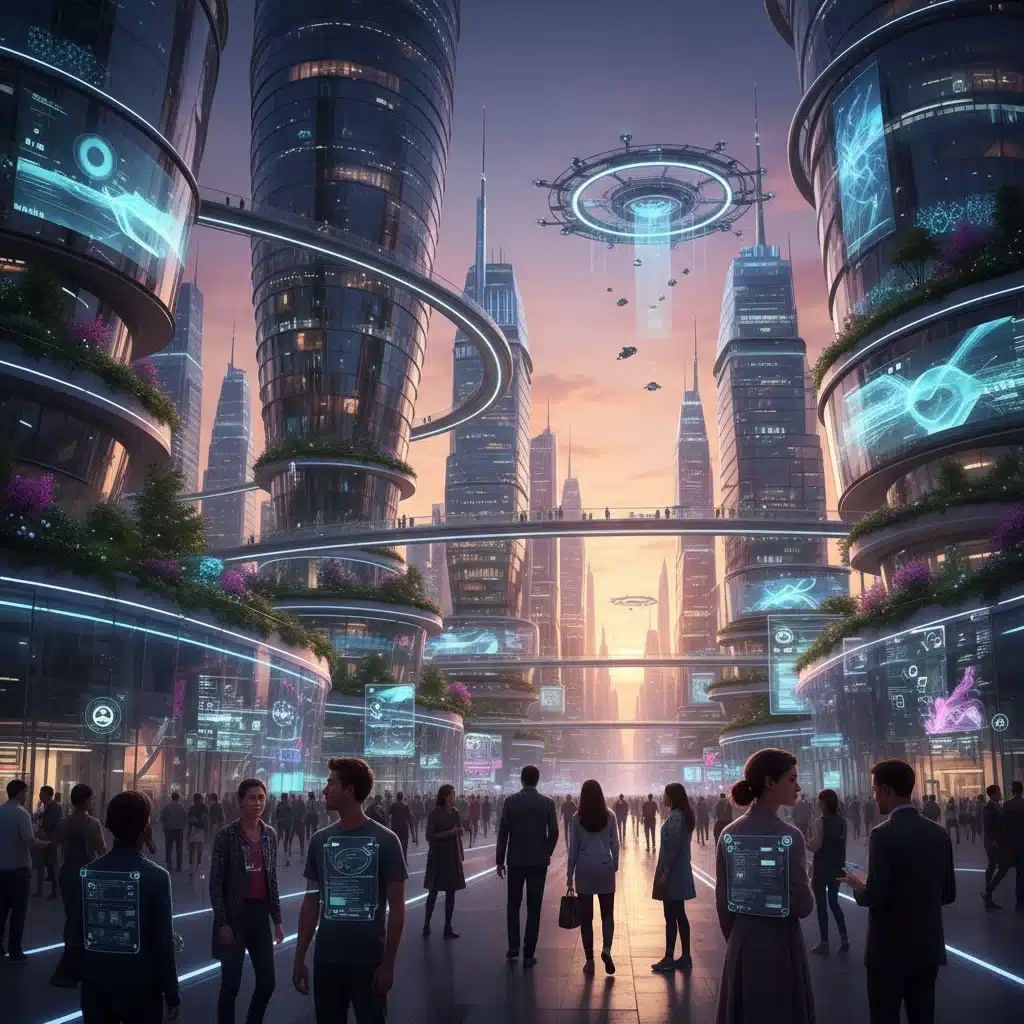
The concept of personal space, that invisible bubble we carry around, is far from static. It’s a dynamic construct, constantly influenced by technological advancements, societal shifts, and our evolving understanding of comfort and privacy. As we hurtle towards 2026, the landscape of personal space is undergoing a profound transformation, driven by forces that are both exciting and challenging. This article will delve into three pivotal trends that are fundamentally reshaping our daily interactions and individual boundaries, offering a glimpse into the future personal space experience.
Understanding these trends is not merely an academic exercise; it’s crucial for individuals, urban planners, technologists, and businesses alike. Our ability to adapt to and anticipate these changes will dictate how effectively we navigate the increasingly complex interplay between our physical selves, our digital extensions, and the world around us. From the way we work and commute to how we socialize and relax, the very fabric of our interactions is being rewoven. Let’s explore the driving forces behind this fascinating evolution.
Trend 1: The Blurring Lines of Digital and Physical Personal Space
One of the most significant forces shaping the future personal space is the accelerating integration of digital technologies into our everyday lives. What was once a clear distinction between online and offline interactions is becoming increasingly blurred, creating new dimensions of personal space that extend beyond our physical proximity. In 2026, this blurring will be even more pronounced, driven by advancements in augmented reality (AR), virtual reality (VR), and pervasive connectivity.
Augmented Reality and Personalized Bubbles
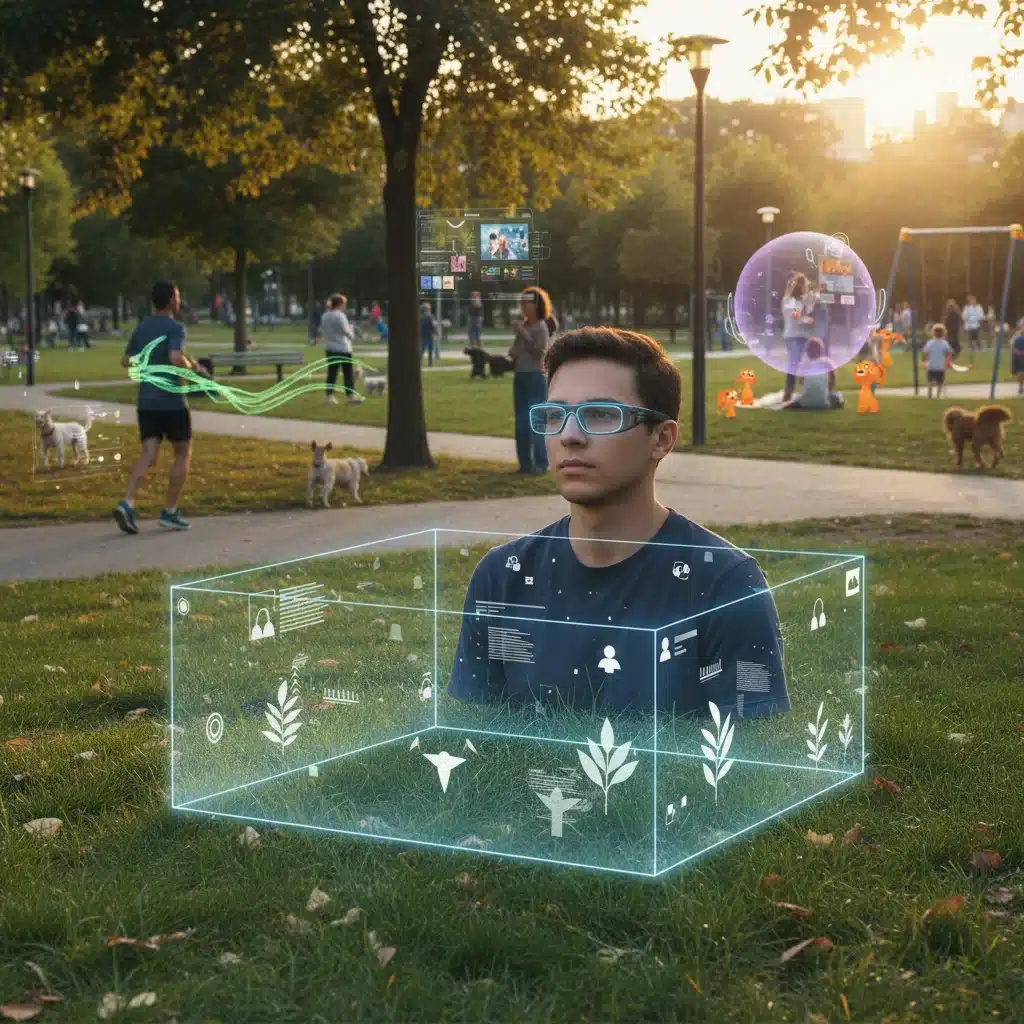
Imagine walking down a crowded street, yet feeling a sense of calm and control over your immediate environment. Augmented reality, once a niche technology, will be seamlessly integrated into everyday wearables – from smart glasses to contact lenses. These devices will allow individuals to create personalized digital overlays on their physical surroundings. This could manifest as a ‘digital privacy shield’ that filters out unwanted visual noise, or a customizable ‘social bubble’ that highlights only relevant information or people in a bustling environment. For instance, in a busy cafe, your AR glasses might dim the perceived brightness of surrounding tables while enhancing the visibility of your companion’s face, effectively creating a more intimate personal space within a public setting.
This extends beyond visual cues. Haptic feedback and directional audio embedded in clothing or accessories could provide subtle cues, alerting individuals to encroaching physical space or guiding them through crowded areas without direct physical contact. The ability to control our sensory input through digital means will fundamentally alter our perception and management of personal boundaries in shared physical spaces.
The Rise of ‘Hybrid Presence’ and Virtual Co-Presence
The pandemic accelerated the adoption of remote work and virtual interactions, and by 2026, this will have evolved into sophisticated ‘hybrid presence’ models. Instead of simply video calls, advanced VR and AR technologies will enable a sense of true co-presence, where individuals feel as though they are physically sharing a space, even when miles apart. This has profound implications for personal space. While physically alone, an individual might be virtually present in a meeting room with colleagues, sharing a digital whiteboard and experiencing spatial audio that mimics real-world acoustics. This creates a new form of ‘virtual personal space’ that needs to be respected and managed.
The challenge will lie in defining the etiquette and boundaries of this hybrid presence. How do we signal our need for virtual personal space? What are the norms for ‘entering’ someone’s virtual space? These questions will become increasingly important as our digital and physical worlds continue to intertwine, pushing the boundaries of what we understand as personal space.
Data Privacy and Digital Footprints as Personal Space
As our lives become increasingly digitized, our data footprint becomes an extension of our personal space. In 2026, the battle for data privacy will intensify, with individuals demanding greater control over their digital identities and the information they generate. Our online interactions, browsing history, and even biometric data contribute to a vast digital persona, and the unauthorized access or misuse of this data can feel like a profound violation of personal space.
New regulations and technologies will emerge to empower individuals to manage their digital boundaries more effectively. This includes more robust consent mechanisms, decentralized data storage, and AI-powered tools that help us understand and control who has access to our information. Protecting our digital personal space will be just as crucial as protecting our physical one, and the companies that prioritize user privacy will be the ones that earn trust in this evolving landscape.
Trend 2: Re-imagining Urban Environments for Adaptable Personal Space
Our physical surroundings play a critical role in shaping our experience of personal space. As urban populations continue to grow, cities are being forced to innovate, creating environments that can accommodate both density and individual needs for privacy and comfort. In 2026, urban planning will increasingly focus on flexible, multi-functional spaces that allow inhabitants to dynamically adjust their personal boundaries.
Modular and Flexible Living Spaces
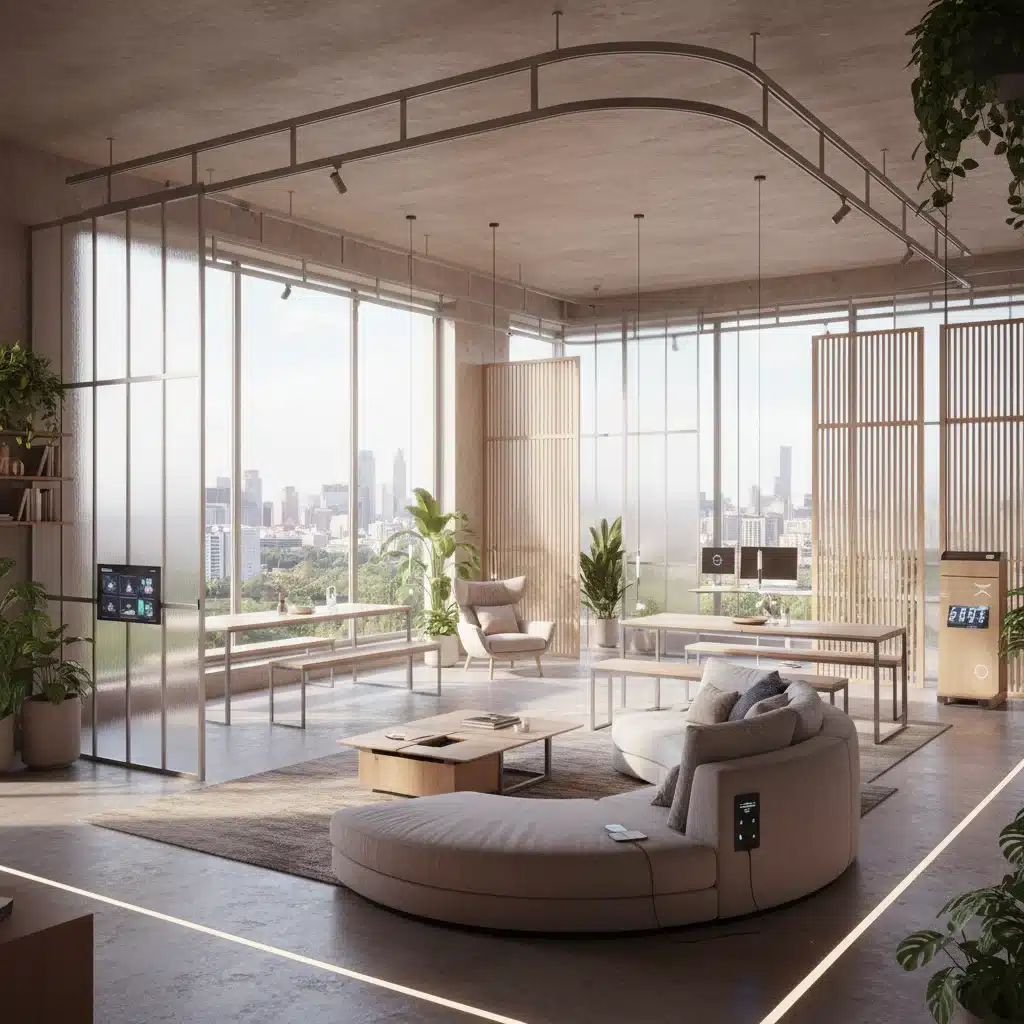
The traditional fixed-wall apartment is giving way to more adaptable living solutions. Micro-apartments and co-living spaces, while seemingly reducing individual square footage, are designed with clever, modular elements that allow residents to reconfigure their environment based on their immediate needs. Think movable walls, transforming furniture, and integrated smart home systems that can instantly adjust lighting, sound, and privacy settings. A living room might transform into a private workspace with a touch of a button, or a shared communal area can be sectioned off for individual quiet time.
This trend acknowledges the diverse and changing needs of urban dwellers, recognizing that personal space isn’t just about square footage, but about the ability to control and customize one’s immediate surroundings. It’s about empowering individuals to create their own ‘sanctuary’ within a larger, shared environment, fostering a sense of autonomy even in highly dense areas.
Public Spaces Designed for Solitude and Connection
Public parks, plazas, and transportation hubs are also being re-thought. Instead of monolithic open areas, future urban designs will incorporate ‘micro-environments’ that cater to different levels of social interaction and personal space needs. This could include secluded seating pods with noise-canceling features, interactive digital installations that offer personalized experiences, or adaptable green spaces that can be configured for individual reflection or group gatherings.
Smart city infrastructure will play a role, too. Dynamic lighting, soundscapes, and even scent dispersal systems could be used to subtly guide behavior and create distinct zones within public areas, allowing individuals to find their preferred level of engagement or solitude. The goal is to create a more inclusive urban experience where personal space is respected, regardless of whether one seeks connection or quiet contemplation.
The ‘Third Place’ Reimagined: Beyond Home and Work
The concept of the ‘third place’ – a social setting separate from home and work – is being reimagined to better serve evolving personal space needs. Traditional cafes and libraries are evolving into hybrid spaces that offer a spectrum of environments, from bustling communal tables to silent, private booths equipped with advanced connectivity. These spaces understand that individuals might seek social interaction one moment and deep focus the next, and they are designed to accommodate both.
Furthermore, technology will enable personalized ‘third places’ that are hyper-local and tailored to individual preferences. Imagine an app that identifies nearby quiet corners in a bustling city, or a pop-up communal space that appears in response to local demand for social interaction. These dynamic third places will offer unprecedented flexibility in managing our personal space throughout the day.
Trend 3: Shifting Social Norms and the Redefinition of Proximity
Beyond technology and urban design, the very social norms that govern our interactions are undergoing a significant transformation. The events of recent years have accelerated a re-evaluation of physical proximity, hygiene, and the unspoken rules that define our personal bubbles. In 2026, these shifts will be ingrained, leading to a new understanding of respectful and comfortable interaction.
The Enduring Impact of Health and Hygiene Awareness
The global focus on health and hygiene has permanently altered our perception of close contact. While the most stringent social distancing measures may have eased, a heightened awareness of personal health boundaries will persist. This translates into a greater respect for individual comfort zones, particularly in enclosed spaces or during periods of illness. Expect more widespread use of personal air purifiers, touchless technologies, and a general societal understanding that maintaining a slightly larger personal bubble is not a sign of aloofness, but of consideration.
This also means a potential shift in how we interpret non-verbal cues. A step back might not always signify disinterest, but rather a conscious effort to respect another’s personal space. Open communication about comfort levels will become more common, fostering a more empathetic approach to interaction.
Digital Etiquette and Boundaries in a Connected World
As digital communication becomes ever more pervasive, the etiquette surrounding it is still evolving. In 2026, established norms for digital personal space will be more clearly defined. This includes respecting ‘do not disturb’ settings, understanding the appropriate channels for different types of communication (e.g., instant messaging for quick queries vs. email for formal requests), and being mindful of response times.
The concept of ‘always on’ connectivity, while offering convenience, can also be an intrusion on personal time and space. There will be a greater emphasis on digital detoxes and establishing clear boundaries between work and personal life, even when working remotely. Tools and cultural shifts will support individuals in disconnecting and reclaiming their personal mental space from constant digital demands.
Cultural Nuances and Universal Understanding
While personal space has always been culturally nuanced, the increased global interconnectedness in 2026 will necessitate a greater understanding and appreciation of these differences. Travel and migration continue to expose individuals to varying comfort levels regarding proximity, touch, and eye contact. Educational initiatives and increased cultural literacy will help bridge these gaps, fostering more harmonious interactions in diverse settings.
Moreover, the rise of global digital communities means that these cultural nuances extend into virtual spaces. Understanding how different cultures perceive and manage their digital personal space – from acceptable response times to the formality of online communication – will be crucial for effective and respectful interaction on a global scale. The future personal space is truly a global one.
Navigating the Evolving Landscape of Personal Space
The trends outlined above paint a picture of a dynamic and multifaceted future personal space. It’s a future where our personal boundaries are no longer solely physical, but extend into digital realms, are shaped by adaptable urban design, and are governed by evolving social norms. This evolution presents both challenges and opportunities.
Challenges Ahead
- Digital Overload and Burnout: The constant connectivity, while offering convenience, can lead to digital fatigue and a feeling of perpetual intrusion on one’s mental personal space.
- Maintaining Privacy: As more aspects of our lives become digitized and interconnected, safeguarding personal data and privacy becomes an ever-growing concern.
- Social Disconnect: While technology offers new ways to connect, there’s a risk of it replacing meaningful physical interactions, potentially leading to feelings of isolation if not managed thoughtfully.
- Equity in Access: Not everyone will have equal access to the technologies and urban designs that facilitate adaptable personal space, potentially widening societal divides.
Opportunities for Growth
- Enhanced Customization: Individuals will have unprecedented control over their personal environment, both physical and digital, allowing for tailored experiences that boost comfort and productivity.
- More Inclusive Environments: Urban spaces and technologies can be designed to cater to a wider range of needs, including those with sensory sensitivities or specific privacy requirements.
- Deeper Global Understanding: Increased awareness of diverse cultural norms around personal space can foster greater empathy and more respectful international interactions.
- New Forms of Connection: Hybrid presence and virtual co-presence can facilitate connections across geographical barriers, enriching personal and professional relationships.
The Role of Individuals and Institutions
Navigating this evolving landscape requires a conscious effort from both individuals and institutions. For individuals, it means cultivating digital literacy, setting personal boundaries, and being adaptable to new forms of interaction. It involves understanding when to engage and when to retreat, both physically and digitally.
For institutions – from governments and urban planners to technology companies and educators – the responsibility is even greater. They must design systems that prioritize user well-being, privacy, and autonomy. This means developing ethical AI, creating inclusive urban designs, and fostering a culture that respects diverse personal space needs. Education will be key, preparing future generations to thrive in this hybrid reality.
Conclusion: Embracing the Dynamic Nature of Personal Space
The future personal space in 2026 is not a static concept but a dynamic, fluid boundary influenced by a confluence of technological, environmental, and social factors. The blurring of digital and physical realms, the re-imagining of our urban environments, and the shifting social norms are all contributing to a richer, albeit more complex, understanding of what it means to have personal space.
By actively engaging with these trends, understanding their implications, and advocating for thoughtful design and ethical implementation, we can ensure that this evolution leads to a future where personal space is not diminished, but enhanced. A future where individuals feel more empowered, more connected, and more comfortable in their own unique bubbles, both real and virtual. The journey to 2026 and beyond promises to be a fascinating exploration of our fundamental human need for connection, privacy, and self-definition.