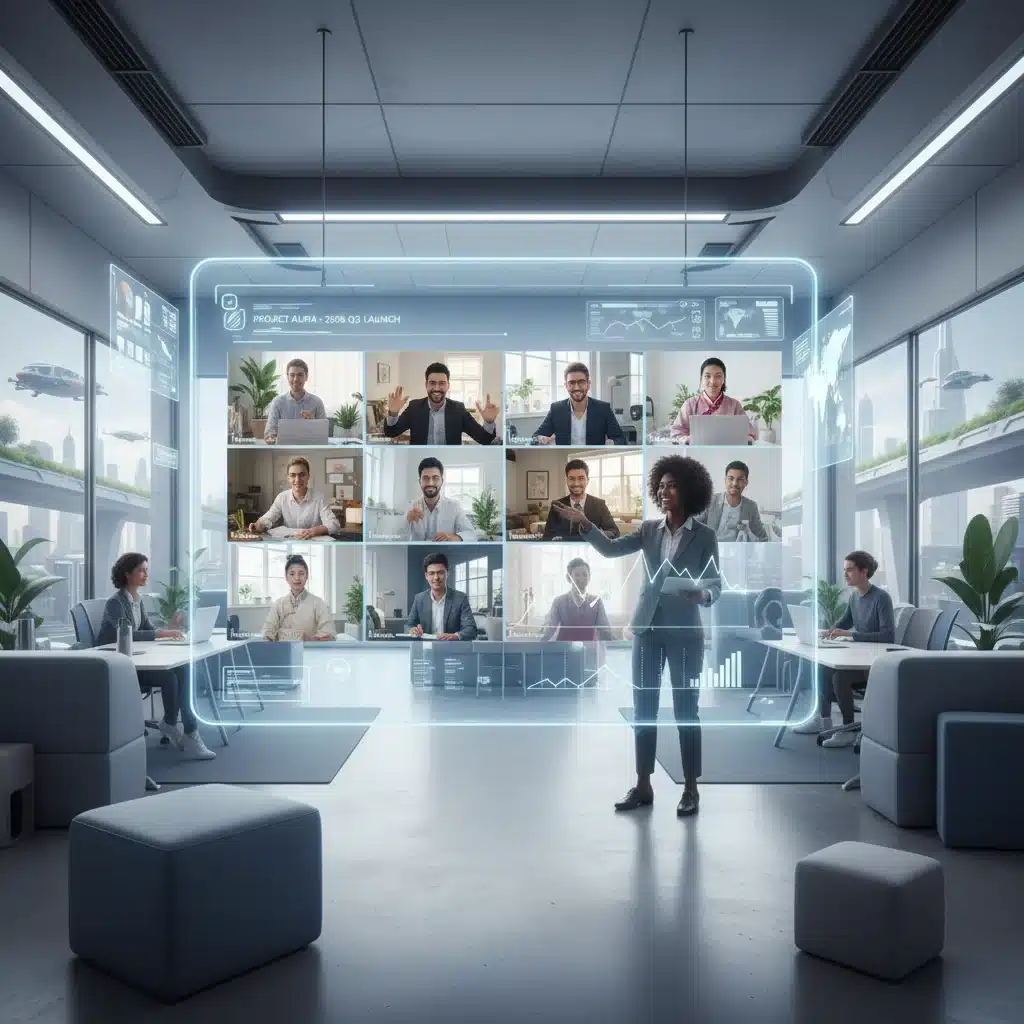
The Evolving Workplace: 6 Social Dynamics Shaping Remote Work Culture in 2026 (RECENT UPDATES)
The world of work has undergone a seismic shift, with remote and hybrid models becoming not just a temporary solution but a fundamental redesign of how we operate. As we look towards 2026, the evolution of remote work culture is accelerating, driven by a complex interplay of technological advancements, changing employee expectations, and a deeper understanding of human social dynamics. This article delves into six crucial social dynamics that are actively shaping and redefining remote work culture, offering recent updates and insights for organizations aiming to thrive in this new era.
The transition to remote work, initially spurred by necessity, has matured into a strategic choice for many organizations and individuals. What began as a logistical challenge has blossomed into a nuanced discussion about fostering connection, maintaining productivity, and ensuring well-being across distributed teams. Understanding these social dynamics is paramount for leaders, HR professionals, and employees alike, as they dictate the success and sustainability of remote operating models.
1. The Intensification of Digital Communication & Collaboration Norms
One of the most profound shifts in remote work culture is the complete overhaul of communication and collaboration. In a traditional office, impromptu conversations, body language, and shared physical spaces facilitated a natural flow of information. Remotely, these elements are replaced by a heavily digitalized landscape, demanding new norms and etiquette.
Recent Updates:
- Asynchronous Communication Dominance: While real-time video calls remain essential, there’s a growing emphasis on asynchronous communication. Tools like Slack, Microsoft Teams, and even sophisticated project management platforms are evolving to support detailed, thoughtful contributions that don’t require immediate responses. This shift respects time zones and allows for deeper work without constant interruptions. Organizations are increasingly adopting ‘asynchronous-first’ policies to combat meeting fatigue and foster focused work.
- Enhanced Virtual Whiteboarding and Brainstorming Tools: The limitations of traditional screen sharing are being overcome by advanced virtual whiteboarding tools (e.g., Miro, Mural). These platforms are becoming more intuitive, offering features like AI-powered sticky note clustering, real-time voting, and integrated video conferencing, making remote brainstorming sessions as dynamic, if not more so, than in-person ones.
- Personalized Communication Channels: Recognizing that not all communication is equal, companies are developing guidelines for which channels to use for different types of interactions. Urgent matters might still warrant a call, but complex discussions are moving to dedicated project channels, and social interaction is encouraged in ‘water cooler’ style virtual spaces. This specialization helps reduce noise and improves clarity within the remote work culture.
- The Rise of ‘Digital Body Language’ Training: As non-verbal cues are largely absent in text-based communication, there’s a growing need for training in ‘digital body language.’ This includes understanding when to use emojis, how to structure messages for clarity, the importance of timely responses, and knowing when to escalate to a call. This training is vital for preventing misunderstandings and fostering positive interactions within the remote work culture.
The success of these digital communication strategies hinges on clarity, intentionality, and continuous refinement based on team feedback. Without clear guidelines and effective training, digital communication can become a source of frustration and isolation, undermining the very essence of a cohesive remote work culture.
2. The Evolving Landscape of Trust and Transparency
Trust is the bedrock of any successful team, but its dynamics shift significantly in a remote environment. In a traditional office, trust often develops organically through shared experiences and visible effort. Remotely, trust must be intentionally built and maintained through transparency, accountability, and consistent communication. This is a critical factor in shaping a positive remote work culture.
Recent Updates:
- Performance-Based Trust vs. Presence-Based Trust: The old paradigm of ‘seeing’ someone at their desk equating to productivity is obsolete. Trust in remote work culture is increasingly performance-based, focusing on outcomes rather than hours logged. This requires clear goal setting, regular feedback, and a shift away from micromanagement. Leaders are being trained to trust their teams to deliver, fostering autonomy.
- Radical Transparency in Operations: Companies are finding that greater transparency regarding company goals, challenges, and decisions helps build trust. Open communication about why certain decisions are made, and how they impact remote employees, can alleviate anxiety and foster a sense of shared purpose. This includes transparent policies around remote work expectations, flexible hours, and performance metrics.
- Tools for Accountability and Visibility: While micromanagement is detrimental, healthy accountability is crucial. Project management tools with clear task assignments, progress tracking, and shared dashboards provide visibility into team contributions without being intrusive. These tools empower teams to self-manage and hold each other accountable, strengthening the fabric of remote work culture.
- Vulnerability-Based Leadership: Leaders who are open about their own challenges and learning curves in the remote environment can create a more human and trusting atmosphere. Admitting when they don’t have all the answers and actively seeking input from their remote teams builds psychological safety and reinforces a culture of mutual respect.
Building trust in a remote setting is an ongoing process that demands proactive effort from both leadership and individual contributors. It requires a fundamental shift in mindset from ‘presenteeism’ to ‘performance-driven outcomes,’ which is central to a mature remote work culture.
3. Prioritizing Mental Well-being and Work-Life Integration
The blurring lines between work and home, coupled with potential feelings of isolation, have brought mental well-being to the forefront of discussions about remote work culture. Organizations are recognizing that supporting employee mental health is not just a moral imperative but a business necessity for productivity and retention.
Recent Updates:
- Dedicated Mental Health Resources: Beyond traditional EAPs (Employee Assistance Programs), companies are now offering more specialized mental health support, including virtual therapy sessions, mindfulness apps subscriptions, and workshops on managing stress and burnout in a remote context. Some organizations are even hiring in-house mental health coaches.
- Flexible Work Schedules and Boundaries: Recognizing the unique challenges of work-life integration for remote employees, many companies are implementing truly flexible schedules, allowing employees to manage their work around personal commitments. Encouraging strict ‘off-hours’ and discouraging after-hours communication is becoming standard practice to prevent burnout and protect personal time.
- Promoting Digital Detoxes and Disconnection: The constant connectivity of remote work can be exhausting. Forward-thinking organizations are actively promoting digital detoxes, encouraging employees to take breaks from screens, and even implementing ‘no-meeting Fridays’ or designated ‘focus time’ blocks to reduce digital fatigue and enhance overall well-being within the remote work culture.
- Training for Managers on Mental Health Awareness: Managers are often the first point of contact for employees struggling with mental health issues. Training programs are being developed to equip managers with the skills to identify signs of distress, offer initial support, and direct employees to appropriate resources, fostering a more empathetic and supportive remote work culture.

The emphasis on mental well-being is transforming remote work culture from one that might inadvertently encourage overwork to one that prioritizes sustainable productivity and employee health. This proactive approach is crucial for long-term success.
4. Fostering Inclusion and Belonging in a Distributed Setting
Creating a sense of inclusion and belonging is inherently more challenging when team members are dispersed. The casual interactions that build camaraderie in an office are absent, requiring deliberate strategies to ensure all remote employees feel connected and valued, thus enriching the remote work culture.
Recent Updates:
- Intentional Virtual Social Events: Beyond formal meetings, companies are investing in creative virtual social events: online game nights, virtual coffee breaks, themed happy hours, and even virtual team-building retreats. The key is variety and making participation optional and genuinely enjoyable.
- Buddy Systems and Mentorship Programs: Pairing new hires with seasoned employees, or establishing cross-functional mentorship programs, helps new team members integrate quickly and feel connected. These informal networks are vital for knowledge sharing and fostering a sense of belonging in a remote remote work culture.
- Equitable Access to Information and Opportunities: Ensuring that remote employees have the same access to information, professional development opportunities, and career advancement paths as their co-located counterparts is critical for inclusion. This means clear communication channels, accessible learning platforms, and transparent promotion processes.
- Celebrating Diversity and Individual Contributions: Actively seeking out and celebrating diverse perspectives and individual contributions, regardless of location, strengthens the sense of belonging. This can involve dedicated platforms for sharing personal stories, recognizing achievements publicly, and ensuring diverse representation in virtual meetings and decision-making processes.
Without intentional efforts, remote work can inadvertently exacerbate feelings of isolation or create ‘in-groups’ and ‘out-groups.’ Proactive strategies for inclusion are essential for a robust and equitable remote work culture.
5. The Evolution of Leadership Styles for Remote Management
Leadership in a remote setting demands a fundamental shift from traditional management approaches. Command-and-control styles are ineffective, giving way to more empathetic, empowering, and communicative leadership that truly understands the nuances of remote work culture.
Recent Updates:
- Coaching and Empowerment Focus: Leaders are transitioning from direct supervision to coaching. This involves setting clear expectations, providing necessary resources, and then empowering employees to own their work. Regular one-on-one check-ins become less about status updates and more about career development, challenges, and well-being.
- Empathy and Emotional Intelligence: Understanding the unique pressures and personal circumstances of remote employees is crucial. Leaders need higher levels of emotional intelligence to read virtual cues, offer support, and adapt their leadership style to individual needs. This forms the backbone of a supportive remote work culture.
- Mastering Digital Facilitation: Running effective virtual meetings is a skill in itself. Leaders are receiving training in digital facilitation techniques, including managing engagement, ensuring equitable participation, using virtual tools effectively, and keeping discussions focused and productive.
- Modeling Work-Life Boundaries: Leaders who visibly practice healthy work-life boundaries (e.g., signing off at a reasonable hour, taking vacations, not sending emails late at night) set a powerful example for their teams, reinforcing a sustainable remote work culture.
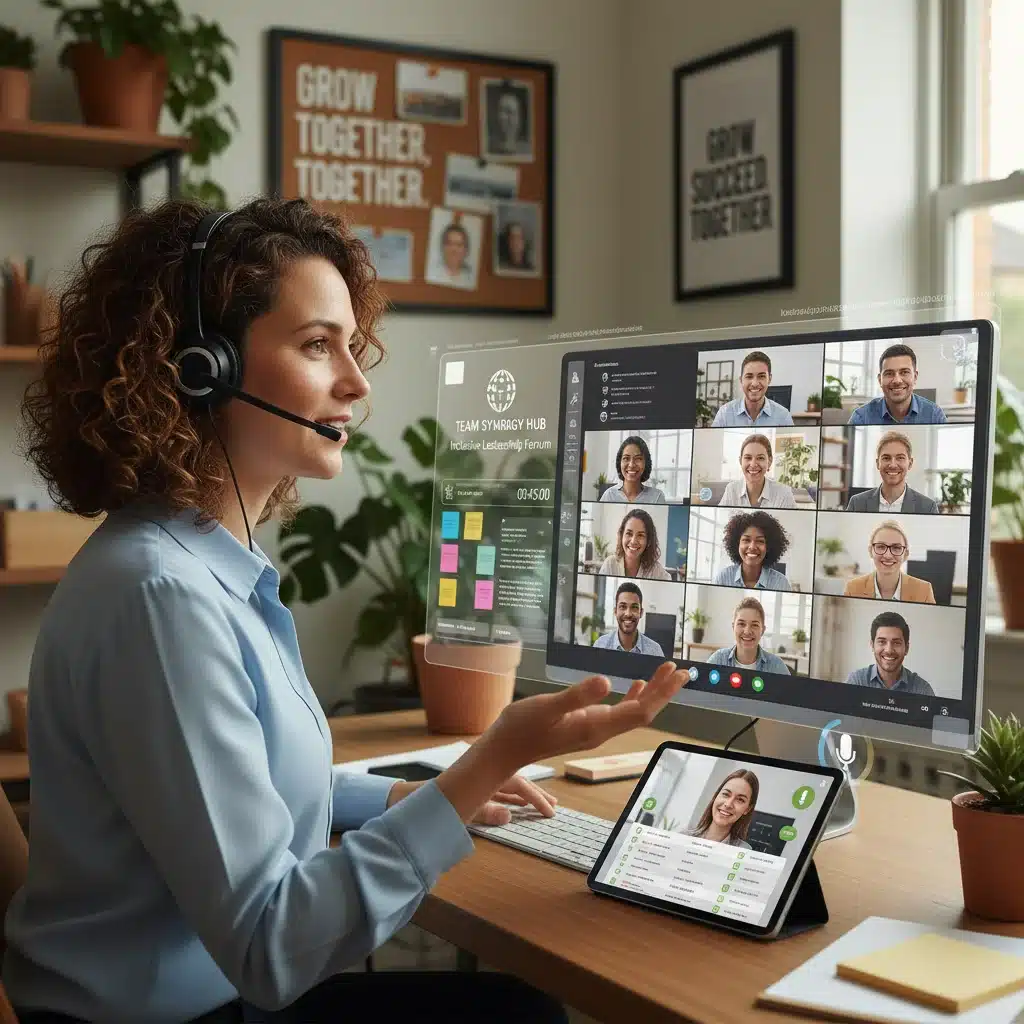
Effective remote leadership is not just about managing tasks; it’s about nurturing a thriving human ecosystem across distances. The best leaders in 2026 will be those who can inspire, support, and connect their teams through empathy and strategic communication, defining the future of remote work culture.
6. The Blurring Lines Between Physical and Virtual Workspaces (Hybrid Models)
While this article focuses on remote work, it’s impossible to discuss remote work culture without acknowledging the pervasive rise of hybrid models. The dynamic between those in the office and those working remotely creates a unique set of social challenges and opportunities.
Recent Updates:
- ‘Digital First’ Mindset for All: To avoid creating a two-tiered system, many organizations are adopting a ‘digital first’ approach even for hybrid teams. This means that all meetings are treated as if everyone is remote, ensuring that virtual participants have equal visibility, audio quality, and participation opportunities.
- Reimagining Office Space as Collaboration Hubs: The office is no longer primarily for individual work but is being redesigned as a destination for collaboration, innovation, and social connection. This involves more flexible meeting spaces, advanced video conferencing technology, and areas optimized for team-building activities, directly influencing remote work culture.
- Fair Access to Resources and Opportunities: Ensuring that remote employees have the same access to resources, development programs, and informal networking opportunities as their in-office colleagues is a continuous challenge. This requires proactive measures to bridge the physical gap.
- The ‘Proximity Bias’ Challenge: A significant social dynamic in hybrid models is the potential for ‘proximity bias,’ where leaders unconsciously favor those they see in person. Organizations are implementing strategies like structured performance reviews, explicit promotion criteria, and regular check-ins to counteract this bias and ensure equitable treatment for remote workers, thus protecting the integrity of the remote work culture.
The successful integration of hybrid models requires careful planning, technological investment, and a conscious effort to ensure equity and inclusion for all employees, regardless of their location. This balance is critical for the evolution of remote work culture.
Conclusion: Navigating the Future of Remote Work Culture
The landscape of remote work culture is not static; it’s a dynamic ecosystem continually shaped by technological innovation and human interaction. As we move towards 2026, the six social dynamics discussed—intensified digital communication, evolving trust, prioritized mental well-being, fostered inclusion, adapted leadership, and the rise of hybrid models—will be central to defining successful workplaces.
Organizations that proactively address these dynamics, investing in the right tools, training, and cultural shifts, will be best positioned to attract and retain top talent, enhance productivity, and build resilient, connected teams. The future of work is here, and it’s unequivocally remote-friendly. Embracing these social dynamics is not just an option but a necessity for thriving in the evolving remote work culture of tomorrow.
The journey to an optimal remote work culture is continuous. It requires ongoing dialogue, feedback loops, and a willingness to adapt. By focusing on these key social dimensions, businesses can ensure their distributed teams are not just operational, but truly engaged, productive, and fulfilled.
Understanding and actively shaping these dynamics will be the hallmark of successful organizations in 2026 and beyond. The investment in a thoughtful and intentional remote work culture will yield significant returns in employee satisfaction, innovation, and overall business performance.