Social Media Usage: Evolving Habits of US Adults Since 2023
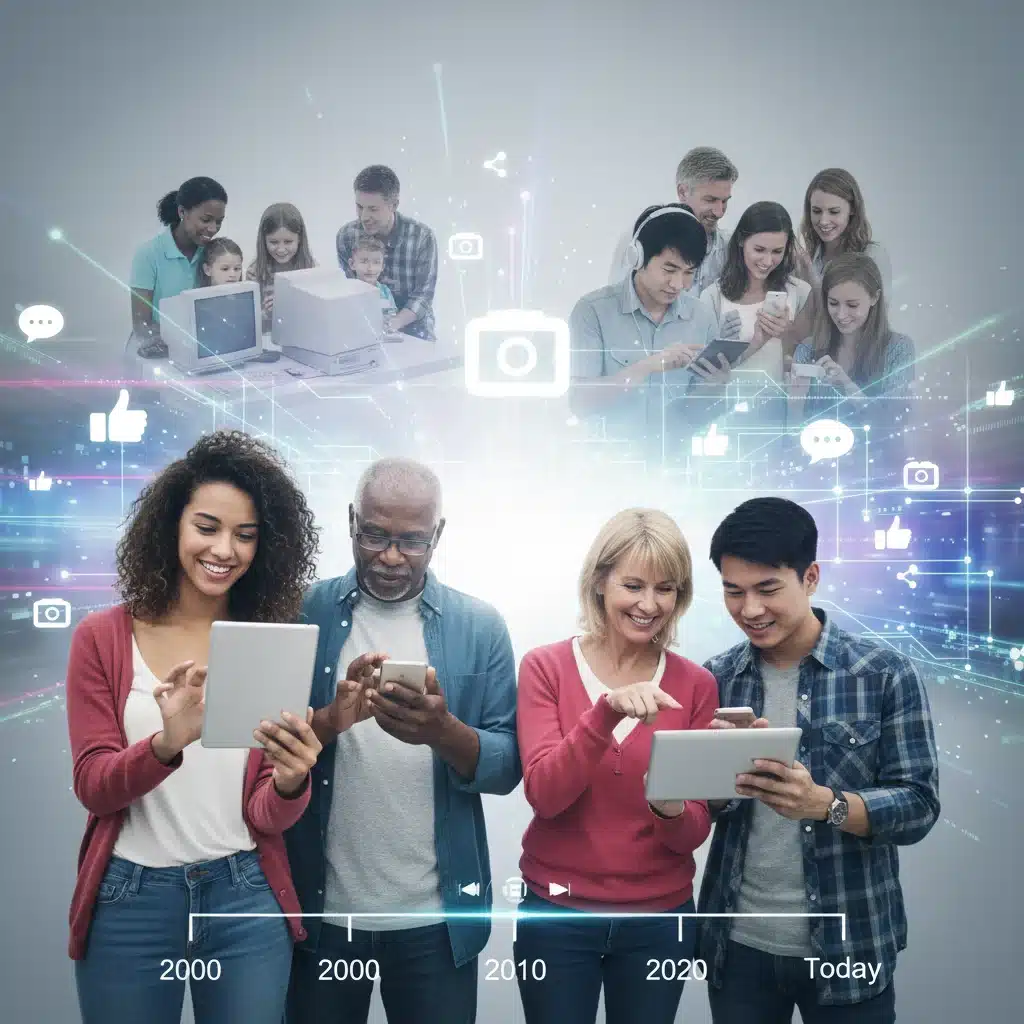
In an increasingly digitized world, social media platforms have cemented their role as integral components of daily life. From connecting with loved ones to staying informed about global events, these platforms have reshaped how we interact, consume information, and even perceive ourselves. However, the landscape of social media is far from static. It’s a dynamic ecosystem that constantly evolves, influenced by technological advancements, societal shifts, and individual preferences. Recent data suggests a significant transformation in how U.S. adults engage with these platforms, with a staggering 70% reporting changes in their usage habits since 2023. This profound shift necessitates a comprehensive analysis to understand the underlying drivers, the implications for individuals and businesses, and what the future holds for digital interaction. This article delves deep into these evolving social media habits, exploring the nuances of this change and providing insights that are crucial for anyone navigating the digital realm.
The Shifting Sands of Engagement: What’s Driving the Change in Social Media Habits?
The reported shift in social media habits among U.S. adults isn’t a singular phenomenon but rather a confluence of various factors. Understanding these drivers is key to grasping the full scope of this transformation. One of the primary catalysts is a growing awareness regarding digital well-being. Over the past few years, there has been an increased public discourse surrounding the mental health impacts of excessive social media use. This awareness has prompted many individuals to re-evaluate their relationship with these platforms, leading to conscious efforts to reduce screen time, curate their feeds more carefully, or even engage in digital detoxes.
Technological advancements also play a pivotal role. The emergence of new platforms, features, and content formats continuously alters how users interact. For instance, the rise of short-form video content has reshaped user expectations and engagement patterns, often leading to a preference for quick, digestible information over lengthy posts. Conversely, the maturation of established platforms has led to feature saturation, with some users feeling overwhelmed or disengaged.
Furthermore, societal and cultural shifts contribute significantly. The post-pandemic era, for example, saw a surge in online activity, which has since stabilized or even declined for some as people re-engage with in-person activities. Political and social events can also influence usage patterns, as individuals seek out or avoid certain types of content and discussions. The desire for authenticity and genuine connections has also spurred a move away from highly curated, idealized online personas, favoring more raw and unfiltered interactions.
Economic factors cannot be overlooked. In times of economic uncertainty, consumers may prioritize practical information, skill-building content, or platforms that offer entertainment at low or no cost. This can lead to shifts in platform preference and content consumption. The evolving regulatory landscape, particularly concerning data privacy and content moderation, also subtly influences user behavior, fostering either greater trust or increased skepticism towards certain platforms.
Finally, personal life stages and circumstances exert considerable influence. Young adults entering the workforce might use LinkedIn more frequently, while new parents might seek out support groups on Facebook. Retirement can bring about more leisure time, potentially increasing engagement with platforms for hobbies or entertainment. These individualized journeys collectively contribute to the broader trends observed in the evolving social media habits of the U.S. adult population.
Generational Divides: How Different Age Groups Are Adapting Their Social Media Habits
While the 70% figure represents an aggregate change, it’s crucial to acknowledge that the shifts in social media habits are not uniform across all demographics. Generational differences play a significant role in how individuals interact with platforms, influencing everything from platform preference to content creation and consumption patterns. Understanding these generational nuances is vital for marketers, developers, and researchers alike.
Gen Z (Born 1997-2012): The Digital Natives Redefining Engagement
Gen Z, having grown up entirely in the digital age, possesses an innate understanding of social media. However, their usage has also seen considerable evolution. While they remain highly active, there’s a noticeable trend towards more private, intimate online spaces. Platforms like TikTok and Snapchat continue to dominate, but there’s also a growing interest in smaller, niche communities and direct messaging apps. Many Gen Z individuals are increasingly wary of the curated perfection often found on older platforms, seeking authenticity and raw self-expression. They are also highly attuned to social justice issues and often use social media as a tool for advocacy and activism. The concept of ‘digital detox’ is also gaining traction within this group, as they grapple with the mental health implications of constant connectivity.
Millennials (Born 1981-1996): Balancing Connection and Professionalism
Millennials, often referred to as digital pioneers, have witnessed the full evolution of social media. Their social media habits are characterized by a blend of personal connection and professional networking. Facebook remains a strong presence for family and friends, while Instagram serves as a visual diary. LinkedIn is indispensable for career development and networking. However, many millennials are reporting a conscious effort to reduce passive scrolling, opting instead for more purposeful engagement. There’s a growing inclination towards using social media for informational purposes, such as news consumption or learning new skills, rather than purely for entertainment. The pressure to maintain a ‘perfect’ online image, prevalent in their younger years, is giving way to a more pragmatic and balanced approach to digital presence.
Gen X (Born 1965-1980): The Pragmatic Adapters
Gen X, while not digital natives, have largely embraced social media, adapting their usage to fit their lifestyles. Their social media habits often revolve around staying connected with family and old friends, discovering news, and pursuing hobbies. Facebook remains a dominant platform for this demographic, offering a familiar environment for community interaction. However, many Gen X individuals are also exploring platforms like Instagram and YouTube, often driven by interests such as cooking, DIY projects, or travel. They tend to be more discerning consumers of online content, often prioritizing reliability and factual information. While they may not be as prolific content creators as younger generations, their engagement is often thoughtful and community-oriented.
Baby Boomers (Born 1946-1964): Connecting and Learning
Baby Boomers represent a demographic that has increasingly adopted social media, primarily for connecting with family, especially grandchildren, and staying informed. Their social media habits show a strong preference for platforms that are user-friendly and provide clear navigation. Facebook is overwhelmingly popular, allowing them to participate in family groups and reconnect with old acquaintances. They also utilize platforms like YouTube for tutorials, news, and entertainment. There’s a growing trend among Baby Boomers to use social media for health-related information and support groups. While concerns about privacy and misinformation exist, their engagement is often driven by a desire for connection and lifelong learning.
These generational differences highlight the diverse motivations and approaches to social media. Marketers and content creators must tailor their strategies to resonate with these distinct segments, acknowledging their unique needs and evolving preferences. The blanket approach to social media engagement is becoming increasingly ineffective as these nuanced shifts take hold.
Platform Preferences: Which Social Media Giants Are Gaining or Losing Ground?
The evolving social media habits of U.S. adults are intrinsically linked to shifts in platform preferences. While some platforms continue to dominate, others are experiencing notable fluctuations in user engagement. This dynamic landscape presents both challenges and opportunities for platform developers, advertisers, and content creators.
Facebook: The Enduring Giant Adapting to New Realities
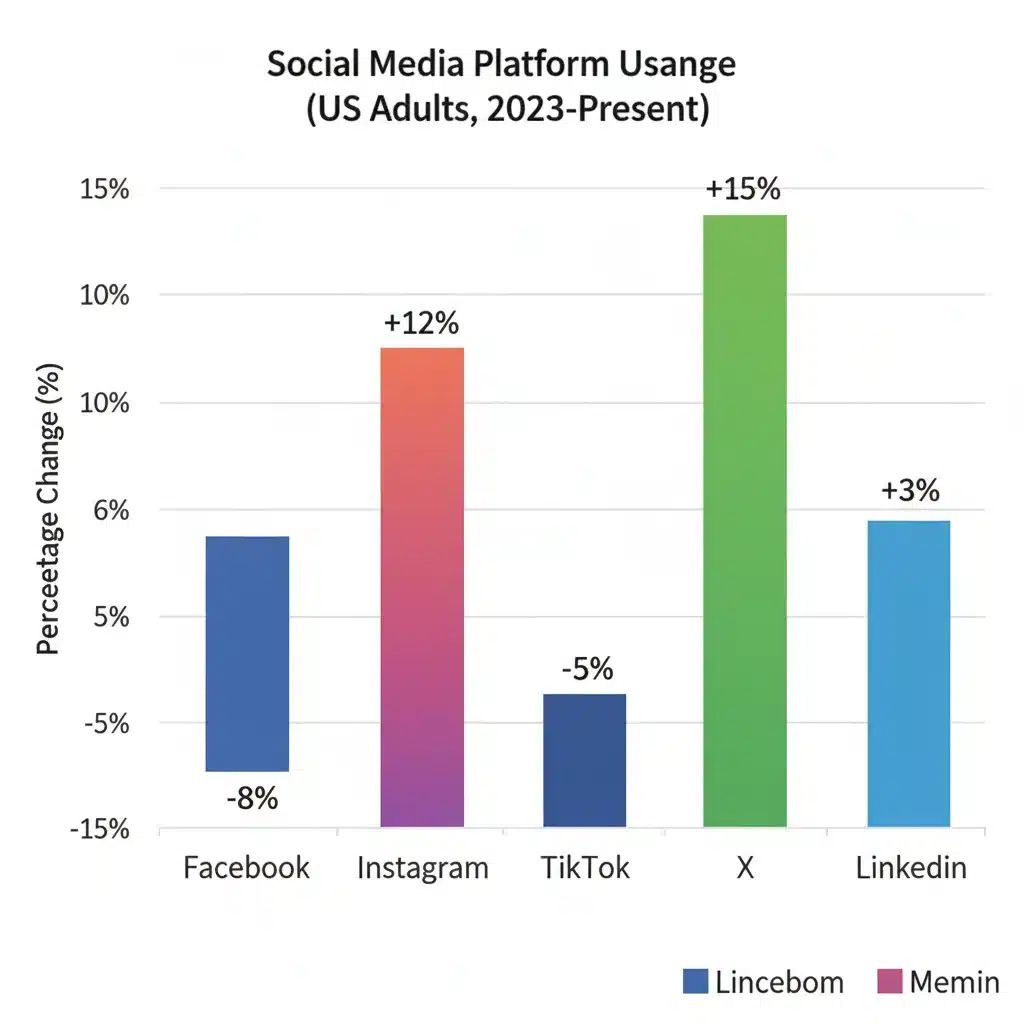
Despite predictions of its demise, Facebook remains a colossal force in the social media world. However, its role is subtly changing. While younger demographics may be migrating to other platforms for primary interaction, Facebook continues to be a stronghold for older generations and for maintaining broader social connections. Many U.S. adults are now using Facebook less for spontaneous sharing and more for group interactions, event planning, and staying updated on local news and community events. The platform’s focus on privacy controls and community features has likely contributed to its sustained relevance, albeit with a different focus for many users. There’s also a noticeable trend of users curating their news feeds more aggressively, unfollowing sources that contribute to negativity, and seeking out more positive or informative content.
Instagram: From Visual Storytelling to E-commerce Hub
Instagram’s evolution has been rapid and multifaceted. While still a primary platform for visual content and personal branding, its integration of shopping features, reels, and direct messaging has transformed it into a more comprehensive ecosystem. Many users, particularly younger adults, are spending more time on Instagram for entertainment and discovery through short-form video. However, there’s also a movement towards more authentic, less curated content, challenging the platform’s long-standing aesthetic of perfection. Businesses are increasingly leveraging Instagram for direct sales and influencer marketing, making it a critical player in the e-commerce landscape. The shift in social media habits here reflects a desire for both entertainment and transactional convenience.
TikTok: The Short-Form Video Revolution Continues
TikTok’s meteoric rise shows no signs of slowing down, profoundly impacting social media habits across all age groups. Its algorithm-driven ‘For You Page’ has revolutionized content discovery, leading to unprecedented levels of engagement. U.S. adults are increasingly turning to TikTok not just for entertainment but also for news, educational content, and even product recommendations. The platform’s ability to foster viral trends and create micro-communities has made it a powerful cultural force. However, concerns about data privacy and content moderation continue to be points of discussion, potentially influencing long-term usage patterns for some segments.
X (formerly Twitter): The Real-Time Information Nexus
X continues to be a go-to platform for real-time news, political discourse, and professional networking. Its concise, text-based format lends itself well to quick updates and immediate reactions. While it has faced its share of controversies and changes, its role as a public square for breaking news and trending topics remains significant for many U.S. adults. Changes in leadership and features have led to some users seeking alternatives, but for many, it remains an indispensable source for direct communication and immediate information dissemination. The platform is seeing varied usage, with some users engaging more for specific events or news cycles, and less for daily casual interaction.
LinkedIn: Professional Networking and Beyond
LinkedIn’s position as the premier professional networking site remains unchallenged. Its usage among U.S. adults has seen consistent growth, particularly as individuals navigate career changes, seek industry insights, and build professional brands. Beyond job seeking, LinkedIn is increasingly used for thought leadership, B2B marketing, and professional development. The platform’s focus on skill-building content and industry news has made it an invaluable resource for many, reflecting a shift towards more purposeful and career-oriented social media habits.
Emerging and Niche Platforms: The Rise of Specialized Communities
Beyond the major players, there’s a growing trend towards niche social media platforms catering to specific interests, hobbies, or communities. Platforms like Reddit, Discord, and even more specialized forums are attracting users who seek deeper engagement and more focused discussions. This reflects a desire among some U.S. adults to move away from the broad, often overwhelming, nature of mainstream platforms towards more curated and meaningful interactions. These platforms often foster stronger senses of community and belonging, which can be a powerful draw for users looking for authentic connections.
The ever-shifting landscape of platform preferences underscores the dynamic nature of social media habits. Users are not monolithic; they are actively choosing platforms that best serve their evolving needs, whether for entertainment, information, connection, or professional growth. This continuous re-evaluation of platform utility is a key characteristic of current social media trends.
The Impact on Daily Life: How Changing Social Media Habits Reshape Our World
The transformation in social media habits among U.S. adults extends far beyond mere screen time statistics; it profoundly impacts various facets of daily life. From mental health to consumer behavior and civic engagement, the ripples of these changes are felt across society.
Mental Health and Well-being: A Conscious Re-evaluation
One of the most significant impacts of changing social media habits is on mental health. The increased awareness surrounding the negative effects of excessive or unmindful social media use has led many adults to adopt healthier digital practices. This includes setting screen time limits, unfollowing accounts that trigger negative emotions, engaging in digital detox periods, and being more selective about the content they consume. The result, for many, is a reported improvement in mood, reduced anxiety, and a greater sense of presence in the real world. This conscious effort towards digital well-being is a testament to the growing understanding of social media’s psychological toll and the desire to mitigate it.
Consumer Behavior and Marketing Strategies: A New Paradigm
For businesses and marketers, the evolving social media habits represent both a challenge and an opportunity. Traditional advertising models are being re-evaluated as users become more discerning and ad-fatigued. There’s a greater emphasis on authentic content, influencer marketing, and community building. Users are increasingly turning to social media for product discovery, reviews, and direct brand interaction. This necessitates a shift towards more engaging, value-driven content that resonates with specific demographic segments. The rise of short-form video and live shopping also indicates a move towards more interactive and immediate consumer experiences.
Information Consumption and Civic Engagement: Navigating the Digital Divide
Social media’s role in information dissemination continues to evolve. While it remains a primary source of news for many, there’s a growing skepticism towards unverified information and a greater emphasis on media literacy. Adults are becoming more proactive in seeking out diverse news sources and fact-checking information. This shift also impacts civic engagement, as social media platforms are used for political discourse, organizing, and advocacy. However, the polarization facilitated by algorithmic echo chambers remains a concern, prompting users to consciously seek out differing perspectives or, conversely, to retreat into like-minded communities.
Personal Relationships and Social Connections: Redefining Digital Proximity
The way U.S. adults maintain personal relationships through social media is also changing. While platforms initially aimed to connect everyone, there’s a trend towards more selective and meaningful interactions. Many are prioritizing direct messages and smaller group chats over public posts, fostering deeper connections with a closer circle. The phenomenon of ‘finsta’ (fake Instagram) or alternative, more private accounts also reflects a desire to curate different social circles for different purposes, moving away from a one-size-fits-all online persona. This suggests a re-evaluation of what ‘connection’ truly means in a digital context.
Productivity and Work-Life Balance: Blurred Lines and New Norms
Social media’s integration into the workplace, particularly with the rise of remote work, has blurred the lines between personal and professional life. While platforms like LinkedIn facilitate professional growth, the constant notifications and temptation to scroll can impact productivity. Many adults are actively seeking strategies to maintain better work-life balance, including designating specific times for social media use and separating personal and professional digital spaces. This ongoing negotiation highlights the challenge of managing digital presence in an always-on world.
In essence, the evolving social media habits are not merely about how much time we spend online, but how that time is spent, what value we derive from it, and how it ultimately shapes our individual and collective experiences. These changes are forcing a societal reckoning with our digital identities and the role technology plays in our lives.
Looking Ahead: The Future of Social Media Engagement for US Adults
The profound shifts in social media habits among U.S. adults since 2023 offer a compelling glimpse into the future of digital interaction. As technology continues to advance and societal values evolve, we can anticipate further transformations in how individuals engage with these platforms. Predicting the exact trajectory is challenging, but several key trends are likely to shape the landscape.
Increased Emphasis on Authenticity and Privacy
The demand for authenticity is likely to intensify. Users are growing weary of heavily filtered and idealized online personas, seeking genuine connections and raw, unpolished content. This could lead to a further decline in engagement with platforms perceived as superficial, and a rise in platforms that prioritize real-time, unfiltered interactions or niche communities. Concurrently, privacy concerns will remain paramount. As data breaches and misuse become more common, users will increasingly demand greater control over their personal information and greater transparency from platforms. This could drive the adoption of decentralized social networks or platforms with robust privacy features.
The Rise of AI-Powered Personalization and Curation
Artificial intelligence will play an even more significant role in personalizing user experiences. From highly tailored content recommendations to AI-powered moderation tools, these technologies will shape what users see and how they interact. While this can enhance relevance, it also raises questions about algorithmic bias and echo chambers. The future will likely involve a delicate balance between leveraging AI for personalized experiences and empowering users to maintain control over their content consumption and discovery.
Integration of Immersive Technologies (AR/VR)
The metaverse, while still in its nascent stages, holds the promise of a more immersive social media experience. As augmented reality (AR) and virtual reality (VR) technologies become more accessible and sophisticated, social interactions could move beyond 2D screens into shared virtual spaces. This could redefine how U.S. adults connect, collaborate, and consume content, offering new avenues for entertainment, education, and commerce. However, the widespread adoption of these technologies will depend on factors like cost, user-friendliness, and perceived value.
The Continued Blurring of Lines Between Social, Commerce, and Entertainment
The convergence of social media with e-commerce and entertainment will accelerate. Platforms will continue to integrate shopping features, live stream commerce, and interactive entertainment experiences, making the user journey from discovery to purchase seamless. This will create new opportunities for brands and content creators, but also necessitate more sophisticated strategies for engaging users across these integrated functionalities. The concept of ‘social shopping’ will become even more ingrained in daily social media habits.
Focus on Digital Well-being and Mindful Engagement
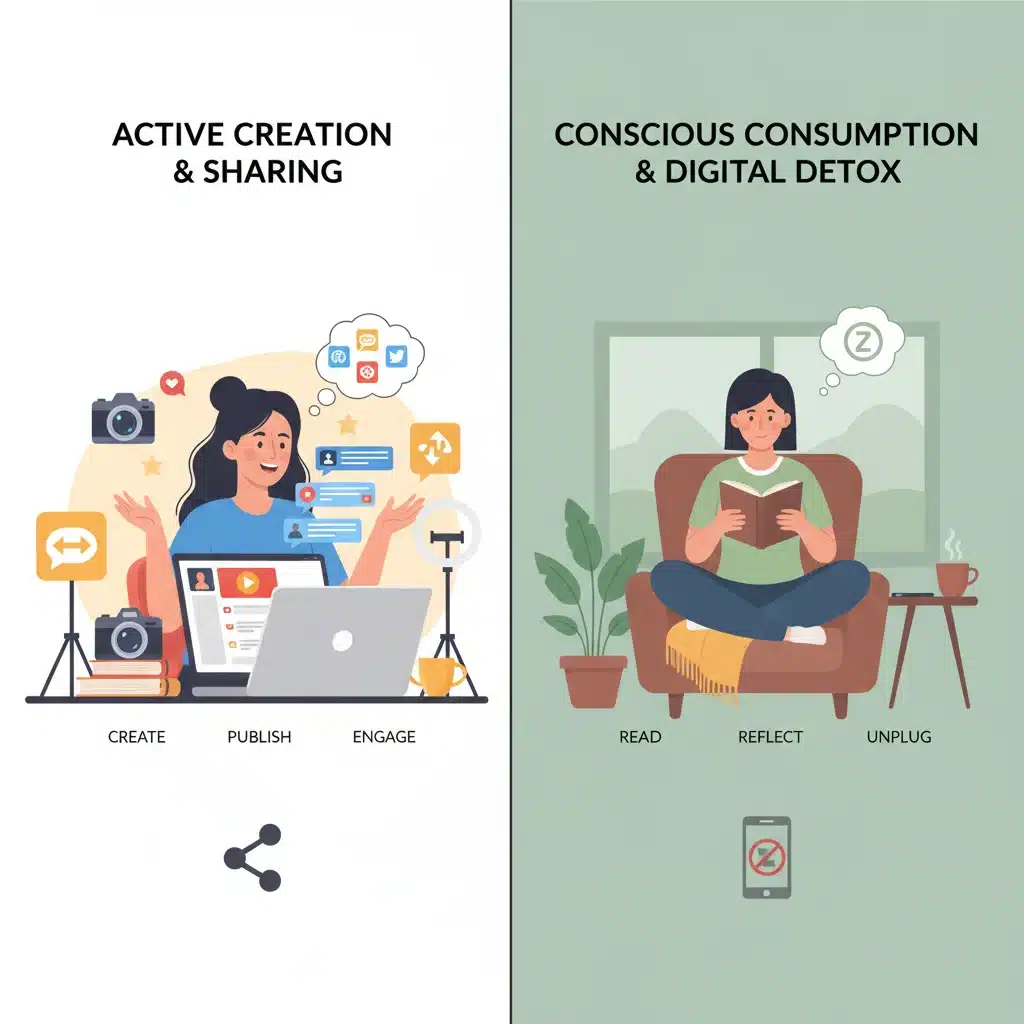
The trend towards mindful engagement and digital well-being is not a fleeting one; it’s a fundamental shift. Future social media platforms may incorporate features designed to promote healthier usage patterns, such as built-in screen time management tools, reminders for breaks, or options for curated ‘positive’ feeds. Users themselves will continue to prioritize platforms and practices that contribute positively to their mental health, leading to a more intentional and less compulsive approach to social media use.
Regulatory Scrutiny and Ethical Considerations
As social media platforms continue to exert significant influence, regulatory scrutiny will likely increase. Governments and international bodies will continue to grapple with issues such as data privacy, content moderation, algorithmic accountability, and the spread of misinformation. These regulatory frameworks will undoubtedly shape how platforms operate and how U.S. adults interact with them, potentially leading to more transparent and ethically driven digital environments.
The evolving social media habits of U.S. adults are a clear indicator that the digital world is in a constant state of flux. While the core human need for connection and information remains, the ways in which we satisfy these needs through social media are undergoing a profound transformation. Adapting to these changes, understanding their implications, and proactively shaping a healthier, more meaningful digital future will be paramount for individuals, businesses, and society as a whole.
Conclusion: Navigating the New Era of Social Media Engagement
The analysis of social media habits among U.S. adults since 2023 reveals a dynamic and complex landscape characterized by significant shifts and evolving preferences. The statistic that 70% of U.S. adults have changed their usage habits is not merely a number; it represents a collective re-evaluation of our relationship with digital platforms, driven by factors ranging from mental health awareness and technological advancements to generational differences and societal shifts.
We’ve seen that these changes are not uniform, with each generation adapting to social media in unique ways, prioritizing different platforms and content. Gen Z seeks authenticity and niche communities, Millennials balance personal and professional connections, Gen X values pragmatic utility, and Baby Boomers focus on family connections and lifelong learning. This generational segmentation underscores the need for nuanced approaches by anyone seeking to engage with these diverse audiences.
Platform preferences are also in flux, with established giants like Facebook and Instagram adapting their offerings, while newer players like TikTok continue their meteoric rise. The increasing convergence of social media with e-commerce, entertainment, and information consumption means that platforms are becoming multi-faceted ecosystems, demanding more strategic and integrated engagement from users and businesses alike. The emergence of niche platforms further indicates a desire for more focused and meaningful online interactions, moving away from the overwhelming breadth of mainstream sites.
The impact of these evolving social media habits on daily life is profound. From a heightened awareness of digital well-being and its effects on mental health, leading to more mindful usage, to a complete recalibration of consumer behavior and marketing strategies. The way we consume information, engage in civic discourse, and maintain personal relationships are all being reshaped by these digital transformations. The blurred lines between work and personal life, intensified by constant connectivity, also highlight the ongoing challenge of maintaining a healthy work-life balance in the digital age.
Looking ahead, the future of social media engagement for U.S. adults will likely be characterized by an even greater emphasis on authenticity, privacy, and personalized experiences, driven by advanced AI. The integration of immersive technologies like AR and VR promises new frontiers for digital interaction, while the continued blurring of social, commercial, and entertainment functions will create ever more integrated online environments. Crucially, the trend towards digital well-being and mindful engagement is expected to grow, influencing both platform design and user behavior. Regulatory scrutiny will also play a significant role in shaping a more ethical and accountable digital landscape.
In conclusion, the journey through the evolving world of social media is far from over. The past few years have laid the groundwork for a more conscious, discerning, and diversified approach to digital interaction. Understanding these fundamental shifts in social media habits is not just an academic exercise; it’s an essential endeavor for anyone living, working, or connecting in our increasingly digital world. As individuals, we are empowered to cultivate healthier relationships with technology. As businesses, we must innovate and adapt our strategies to meet the evolving needs and expectations of our audiences. The new era of social media engagement is here, and it demands our thoughtful attention and proactive participation.