Navigating the Undercurrents: Common Missteps in Adapting to Modern Cultural Shifts
Ever feel like you’ve missed a memo the entire world seems to have read? One day, a new phrase enters the lexicon, a new social rule appears on digital platforms, or a deeply held norm is suddenly up for debate, and you’re left scrambling to catch up. This feeling of disorientation isn’t just you; it’s a common symptom of living through a period of accelerated cultural transformation, where the ground beneath our social and digital lives is constantly shifting.
These changes aren’t happening in a vacuum. They are driven by the relentless pace of technology, the interconnectedness of a globalized world, and a growing collective awareness of complex social issues. What once took generations to evolve now seems to change in a matter of months. This speed makes it incredibly difficult to maintain a stable understanding of social dynamics, communication etiquette, and even our own daily routines. The old maps we used to navigate society no longer match the territory.
But simply acknowledging that things are changing isn’t enough. The real challenge lies in identifying the common pitfalls we encounter while trying to adapt. This article moves beyond simply listing trends and instead dissects the underlying missteps that cause friction and misunderstanding. We will explore why ignoring change is a losing strategy, how to avoid common blunders in our digital lives, the critical role of empathy in bridging social divides, and the importance of spotting the subtle micro-trends that signal where our culture is headed.
The Illusion of Stasis: Why Ignoring Cultural Evolution is a Major Pitfall
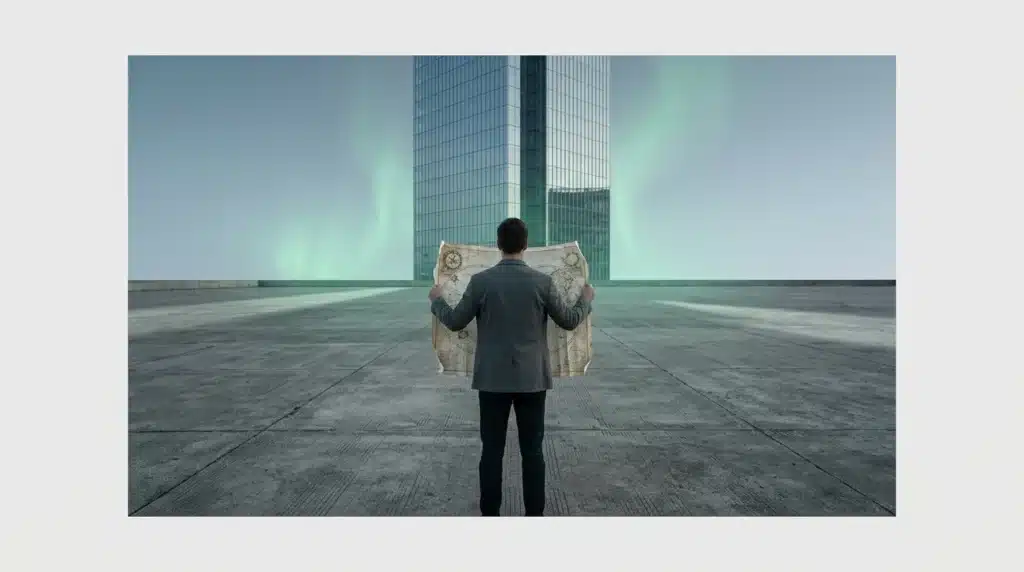
One of the most common missteps in adapting to the modern world is believing it isn’t really changing at all. We cling to the idea that the way things are is the way they’ve always been and always will be. It’s a comforting thought, like trying to navigate a new city with an old, familiar map—the streets look right, but you quickly find yourself at dead ends. This resistance to change often stems from a deep-seated desire for stability.
But society never stands still. Consider the initial public reaction to online shopping in the late 1990s. A Pew Research Center study from that era found that over 66% of Americans expressed significant security concerns, with many vowing never to enter their credit card information online. What was once seen as a risky, niche activity is now a underlying part of daily commerce. The same pattern of initial skepticism followed by mass adoption applies to social media, remote work, and countless other contemporary cultural shifts.
The danger lies in treating these evolving social dynamics as temporary fads rather than core transformations. Ignoring them is like a business owner refusing to accept credit cards decades ago—a decision that slowly but surely makes you irrelevant. What most people miss is that these subtle shifts are redefining daily life whether we actively participate or not. This mindset doesn’t just keep you out of the loop; it actively puts you at a disadvantage.
This resistance often creates a significant gap between our perception of the world and its reality, a gap that can strain relationships and hinder personal growth. Actively decoding modern living patterns is not about chasing trends, but about maintaining a relevant and accurate understanding of the environment we all inhabit.
Misinterpreting Digital Signals: Avoiding Common Online Lifestyle Blunders
Transitioning from offline social norms to the digital world is not a simple one-to-one translation; it’s more like learning a new dialect full of unspoken rules and hidden meanings. The rapid evolution of online communication platforms often leaves people applying outdated frameworks to new situations, leading to significant blunders. What most people miss is that the absence of tone and body language in a text or post creates a vacuum that our own biases rush to fill, often incorrectly. This is where many of the most common mistakes originate.
These misinterpretations can have real-world consequences for our personal and professional lives. The permanence of online interactions is a harsh reality. A joke that falls flat in person disappears into the air; a poorly worded tweet can be screenshotted and referenced for years.
The Echo Chamber Effect: Overlooking Diverse Perspectives Online
One of the most subtle dangers of modern digital life is the algorithmic curation that surrounds us. Social media and search engines are designed to show us more of what we already like and agree with, creating a personalized reality bubble. This isn’t just about politics; it affects everything from the products we see advertised to the lifestyle trends we perceive as mainstream. It’s a digital funhouse mirror, reflecting a distorted version of our own preferences back at us. A recent study by the Pew Research Center found that a significant portion of adults get their news from social media, where this filtering is most intense.
Escaping this requires conscious effort. Relying on your feed for a complete picture of the world is like assuming your favorite local diner represents all of global cuisine. But how often do we actively seek out content that challenges our worldview? Understanding these unseen currents shaping our daily lives is the first step toward developing a more balanced digital information diet. Without this awareness, we risk becoming disconnected from the diverse experiences that make up our actual society.
Privacy Paradox: Undervaluing Your Digital Footprint
There’s a fascinating disconnect between how much people claim to value privacy and how they behave online. We readily trade personal data for convenience, access to services, or social connection—and let’s be honest, who reads the full 30-page terms of service agreement? This phenomenon, known as the privacy paradox, highlights a critical misstep in navigating the digital age: underestimating the long-term value and permanence of our digital footprint.
Every like, comment, search, and location check-in contributes to a detailed profile that is incredibly difficult to erase. The data suggests—though not conclusively—that younger generations are more casual about this data exchange, having grown up in a fully connected environment. Yet, the implications affect everyone, influencing everything from loan applications to job prospects. Grasping the true nature of these evolving social dynamics means treating your data not as a disposable commodity, but as a permanent extension of your personal identity.
To put these changes in perspective, consider the shift in basic social assumptions:
- Old Norm: Private conversations were fleeting and existed only in memory.
- New Digital Reality: Direct messages, emails, and chat logs can be saved, searched, and shared indefinitely, creating a permanent record.
- Old Norm: Mistakes and embarrassing moments faded with time.
- New Digital Reality: Your digital footprint is a searchable archive where past actions can be resurfaced at any moment.
- Old Norm: Identity was primarily shaped by your immediate, physical community.
- New Digital Reality: Curated online personas and personal brands significantly influence real-world perceptions and opportunities.
Actively managing this new reality requires more than just technical skill; it demands a new level of self-awareness and foresight about how our present actions will be interpreted in the future.
We often wait for cultural change to announce itself with a thunderclap, but it usually arrives as a quiet, rising tide. The real misstep isn’t failing to see the wave; it’s ignoring the subtle shift in the water level at your feet.
— Dr. Aris Thorne, Cultural Sociologist
| Common Misstep | Core Problem | Recommended Action |
|---|---|---|
| The Illusion of Stasis | Assuming society is static and resisting evidence of cultural evolution. | Actively seek out and analyze signs of change in daily life and commerce rather than dismissing them as fads. |
| Digital Signal Misinterpretation | Applying outdated, offline social norms to nuanced online interactions. | Learn platform-specific etiquette and understand the permanence and context-collapse of your digital footprint. |
| The Empathy Gap | Failing to understand perspectives and communication styles outside your own experience. | Practice active listening, question personal assumptions, and make a genuine effort to understand different generational and cultural norms. |
| Overlooking Micro-Trends | Focusing only on headline-grabbing movements while missing subtle shifts in daily habits. | Pay attention to changes in how people work, communicate, and connect as leading indicators of larger societal shifts. |
The Empathy Gap: Failing to Bridge Evolving Social Dynamics
One of the most common missteps in adapting to cultural shifts is the failure to recognize and bridge the empathy gap. This isn’t a malicious act, but rather a blind spot that develops when our own social frameworks become outdated. As society evolves, so do the unwritten rules of interaction, and sticking to an old playbook can lead to significant communication breakdowns. The data suggests—though not conclusively—that social trust between different demographic groups has been steadily declining, with a recent Pew Research Center analysis noting a 14-point drop in interpersonal trust over the last two decades.
Understanding these new dynamics is less about memorizing rules and more about developing a flexible, empathetic mindset. It requires acknowledging that your default method of communication might not be universally understood or appreciated. The goal is not to declare one style superior, but to build a bridge of mutual understanding.
Generational Divides: Misunderstanding New Communication Styles
Nowhere is this empathy gap more apparent than in intergenerational communication. A manager might interpret a junior employee’s use of a thumbs-up emoji as dismissive, while the employee intended it as a clear and efficient “acknowledged.” This isn’t a simple misunderstanding. It’s a clash of communication systems, one built on formal structures and the other on digital shorthand that conveys speed and collegiality.
These small frictions accumulate, creating environments where collaboration feels strained. Consider the case of a tech firm that nearly missed a critical deadline because a senior project manager, accustomed to detailed email updates, misinterpreted his team’s brief Slack messages as a lack of progress. The team, meanwhile, felt their constant, real-time updates were more than sufficient. They were speaking different languages. For a deeper look into these patterns, it’s useful to explore expert perspectives on evolving social dynamics and how they reshape our daily interactions.
Beyond Text: The Rise of Visual and Voice Communication
The communication evolution extends far beyond punctuation and emojis. Younger cohorts increasingly rely on visual and voice-based mediums—memes, reaction GIFs, and short voice notes—to convey nuance and emotion that plain text often strips away. What most people miss is how efficient these methods can be. A single, well-chosen meme can communicate a complex feeling of relatable frustration more effectively than a carefully worded paragraph.
To an outsider, this can look like trivial or unprofessional chatter. But for those fluent in this digital dialect, it’s a rich and layered form of connection. A voice note captures tone and warmth, preventing the kind of misinterpretation that plagues email chains. Is it really so different from leaving a voicemail, just faster and more integrated into the conversation? Dismissing these forms as childish is a critical error that widens the generational divide, ignoring the underlying human need for clearer, more emotionally resonant communication.
Cultural Blind Spots: Navigating Globalized Social Norms
As digital platforms erase geographical boundaries, our social circles have become unexpectedly global. This creates immense opportunities for connection but also introduces new potential for blunders. A gesture, color, or phrase that is benign in one culture can be deeply offensive in another. The mistake is assuming that your own cultural common sense is universal.
A study from the International Trade Institute found that 43% of international marketing campaigns that underperformed were pulled due to unforeseen cultural misinterpretations. This highlights a costly empathy gap. Navigating this complex terrain requires more than just good intentions; it demands active learning and a willingness to question your own assumptions about how people should behave. This is a core part of navigating the new social landscape effectively.
The Nuances of Online vs. Offline Social Cues
The distinction between our online and offline selves creates another layer of complexity. The social cues are entirely different. Trying to apply offline conversational norms to a fast-moving social media thread is like trying to use a city map to navigate a hiking trail—the underlying tools are wrong for the environment. Sarcasm, which relies heavily on tone and body language, frequently falls flat or is misinterpreted as genuine aggression in text.
The underrated factor here is the lack of ephemerality. An awkward comment made at a party fades from memory, but a poorly phrased tweet or post can be screenshotted and preserved forever, detached from its original context. Understanding the unique properties and risks of different platforms is necessary for avoiding missteps that can have lasting consequences on one’s reputation. The evolving social dynamics of the digital age demand a new level of social awareness.
The Pitfalls of Performative Allyship
Perhaps the most subtle but damaging failure of empathy is performative allyship. This is the practice of showing support for a marginalized group in a way that centers the “ally” rather than the cause, often for social or corporate gain. Think of a company that adds a rainbow filter to its logo for a month while its internal diversity statistics remain unchanged—or worse, its policies are discriminatory.
This isn’t just ineffective; it’s harmful. It creates the illusion of progress while maintaining the status quo, and it breeds cynicism, making it harder for genuine efforts to gain traction. A report from the Center for Social Impact revealed that 78% of consumers aged 18-34 report feeling “distrustful” of corporate social statements not backed by transparent data and long-term action. The public is getting better at spotting the difference between a gesture and a commitment.
The mistake is believing that a statement is a substitute for action. True empathy requires listening to the needs of marginalized communities and using one’s privilege to amplify their voices and support their goals—even when no one is watching. As we continue decoding modern living, the demand for this kind of authentic, action-oriented support will only grow stronger.
Overlooking the Subtleties: Missing the Daily Life Micro-Trends
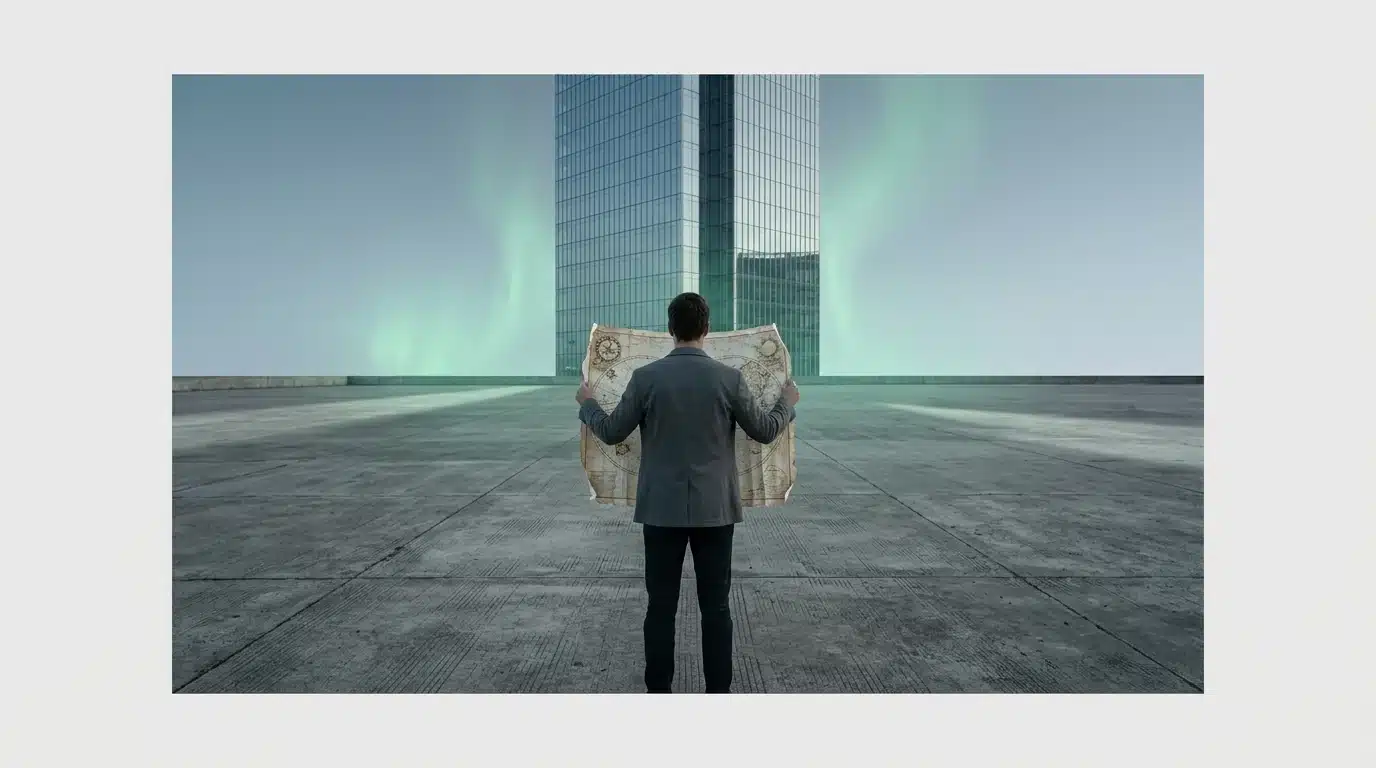
Major cultural shifts don’t just appear fully formed; they are the culmination of thousands of tiny, almost invisible changes in our daily lives. A common mistake is focusing on the headline-grabbing social movements while completely missing the quiet evolution in how people eat, work, and connect. What’s often missed is that these micro-trends are the real engines of change. They are the unseen currents that eventually carve new riverbeds for society, and learning to spot them is critical for anyone trying to navigate our modern world.
These subtle shifts reveal more about our collective direction than any single pronouncement from experts. They show our true priorities. Paying attention to them is like being a detective of the everyday.
The Blurring Lines: Work, Life, and Personal Space
The rise of remote and hybrid work models provides a perfect case study. Beyond the corporate policy changes, the real story is found in the micro-trends that have reshaped the home. The dining table is now a boardroom, the commute is a walk to the next room, and the workday has lost its defined edges. A recent study by the Work Policy Institute found that 58% of employees in hybrid roles report feeling “always on,” struggling to mentally disconnect from their professional responsibilities.
This isn’t just about time management; it’s about the physical and psychological redrawing of personal boundaries. How do you maintain a sanctuary when your living room is also your office? It’s a bit like trying to host a dinner party in your bedroom—the functions get messy, and neither feels quite right. This constant negotiation of space and time — that’s the micro-trend. It impacts everything from interior design choices to the very fabric of family dynamics and our evolving social structures.
Subscription Fatigue and the Quest for Authenticity
Another powerful micro-trend is emerging in our consumption patterns. For a time, the default was accumulation through automation: more streaming services, more monthly boxes, more software-as-a-service subscriptions. Now, a counter-current is gaining strength, often called subscription fatigue. A report from Forrester Research suggests the average household is re-evaluating its digital overhead, with plans to cut an average of three subscriptions in the next fiscal period.
This isn’t just about saving money. It reflects a deeper yearning for control and authenticity. People are trading passive, recurring payments for intentional, single purchases—choosing to buy a vinyl record instead of streaming an album, or visiting a local farmers’ market instead of relying on a meal kit. The underlying shift is a move away from renting access and back toward tangible ownership. It begs the question: are we becoming more skeptical of the convenience offered by contemporary digital patterns?
To avoid being blindsided, it helps to keep an eye on a few key indicators of these subtle changes. These aren’t predictions, but rather observations of behaviors that signal a shift in underlying values.
- The “Third Place” Evolution: Notice where people gather outside of home and work. Is it a new type of cafe, a community garden, a digital forum, or a local sports league?
- Communication Shortcuts: Pay attention to the slang, emojis, and communication etiquette emerging in text messages and social media. These are the building blocks of future language.
- Problem-Solving Tools: What apps, gadgets, or even analog tools (like a specific brand of planner) are people adopting to manage their daily chaos? The underrated factor here is that these tools reveal our biggest daily frustrations.
- Weekend Rituals: Look at how leisure time is being structured. Is the trend toward elaborate plans, spontaneous trips, or a conscious effort to do nothing at all?
Tracking these micro-trends isn’t about becoming a futurist. It’s about cultivating a deeper understanding of the human needs and desires shaping the present moment, one small decision at a time.
The Reactive Trap: Why Proactive Adaptation is Key
Many people treat cultural shifts like a distant storm, only grabbing an umbrella when the first raindrops fall. This reactive stance is a significant misstep. Waiting until a trend is a headline means you’re already behind, struggling to catch up while others are already adjusting. The real advantage lies in proactive adaptation—observing and responding to the subtle changes before they become overwhelming.
This isn’t about predicting the future; it’s about building resilience. Think of it like maintaining a car. You don’t wait for the engine to seize before changing the oil. Instead, you perform regular checks to keep it running smoothly. According to data from the Pew Research Center, 68% of people feel societal changes are happening faster than they can process, highlighting the stress of a purely reactive mindset. Being proactive turns that anxiety into agency.
Continuous learning and observation are the tools for this approach. Instead of dismissing minor changes in consumer behavior or workplace communication, what if we saw them as valuable data points? Paying attention to these unseen currents allows for small, manageable adjustments over time. It’s a far more sustainable strategy than making drastic, panicked changes all at once.
Sociologist Dr. Lena Petrova often emphasizes this point, arguing that “societal foresight is the practice of preparing for multiple possible outcomes, not betting on a single one.” This mindset is notable for anyone interested in navigating modern cultural shifts effectively. It’s the difference between being a passenger in a rapidly changing world and having a hand on the steering wheel. The goal isn’t just to weather the next big change, but to find your footing and thrive within the new context it creates.
Beyond Adaptation: What Questions Should We Be Asking?
Navigating the undercurrents of cultural change isn’t a destination one arrives at, but a continuous process of recalibration. The goal shouldn’t be to master a fixed set of new rules, as those rules will inevitably change again. A more sustainable approach is to cultivate a mindset of active inquiry—a willingness to remain curious about the ‘why’ behind a new behavior, a new word, or a new social expectation.
Instead of viewing a shift as an inconvenient disruption to your worldview, what if you treated it as a data point revealing something new about our collective human experience? The ultimate skill for the future isn’t adaptation, but teachability. It’s the humility to admit what you don’t know and the curiosity to find out. As the currents of change continue to accelerate, are you focused on building a stronger anchor to the past, or are you learning how to read the water and adjust your sails?
Frequently Asked Questions
What are the biggest blind spots when trying to understand new cultural movements?
The most significant blind spots are confirmation bias and assuming your personal experience is universal. We tend to seek information that validates our existing views and dismiss new movements as trivial or nonsensical instead of investigating their root causes and the needs they fulfill.
How can I improve my digital literacy to avoid common online mistakes?
True digital literacy goes beyond simply using an app. It involves actively seeking diverse information sources outside your algorithmic bubble, critically evaluating where information comes from, and treating your digital footprint as a permanent, searchable extension of your personal identity.
What role does empathy play in navigating evolving social dynamics?
Empathy is the required bridge across social and generational divides. It allows you to understand that different communication styles, like using emojis or memes, aren’t objectively ‘wrong,’ just different. This is key for decoding intent and avoiding miscommunication in a complex social landscape.
Are there specific resources for tracking subtle daily life trends?
Yes, but you have to look beyond mainstream news. Follow sociologists, cultural anthropologists, and market researchers on platforms like Substack or academic forums. Reports from firms like Pew Research, Gartner, or Ipsos often highlight subtle behavioral shifts before they become major news.
How can individuals and organizations foster a more adaptive mindset?
Prioritize learning over knowing. For individuals, this means staying curious and being willing to be wrong. For organizations, it requires creating psychological safety, allowing employees to challenge the status quo, experiment with new ideas, and ask ‘why’ without fear of penalty.