Gen Z Workplace Culture: 6 Daily Trends for 2026
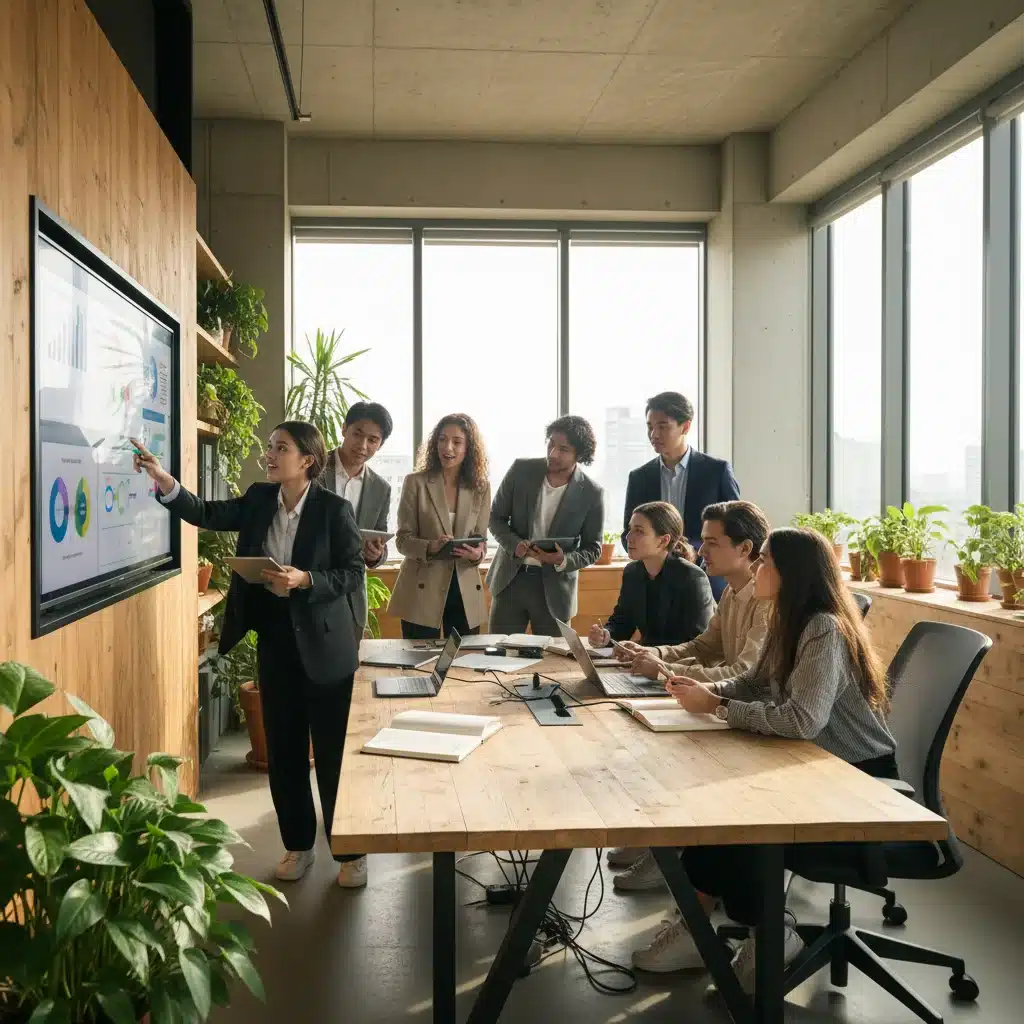
The workforce is an ever-evolving landscape, shaped by the values, expectations, and technological fluency of each successive generation. As we approach 2026, the influence of Generation Z (those born roughly between 1997 and 2012) is not just growing; it’s fundamentally reshaping the very fabric of workplace culture. This demographic, often referred to as digital natives, brings a unique set of perspectives that are challenging traditional norms and pushing organizations towards more dynamic, inclusive, and purpose-driven environments. Understanding these shifts is not merely about adapting to a new generation; it’s about future-proofing your business and fostering a sustainable, thriving ecosystem where everyone can excel. The impact of Gen Z on workplace culture is profound and multifaceted, demanding a strategic re-evaluation of how we recruit, manage, and engage talent.
For years, businesses have grappled with the nuances of Millennials entering leadership roles, but Gen Z presents a distinct set of priorities that require even greater agility and foresight. They are a generation that has grown up with unprecedented access to information, global connectivity, and a keen awareness of social and environmental issues. This upbringing has instilled in them a desire for authenticity, transparency, and a strong sense of purpose in their work. They are not just looking for a job; they are looking for a mission, a place where their values align with the organization’s, and where they can make a tangible difference. This article will delve into six daily trends that encapsulate the profound impact of Gen Z on workplace culture, offering insights into how businesses can not only accommodate but also leverage these changes to build stronger, more resilient teams.
As we navigate the complexities of the modern economy, the ability to attract, retain, and motivate Gen Z talent will be a critical differentiator for success. Organizations that embrace these emerging trends will find themselves at the forefront of innovation, fostering environments that are not only productive but also genuinely fulfilling for their employees. Let’s explore the transformative power of Gen Z and what their daily habits and expectations mean for the future of work.
1. The Demand for Authentic Purpose and Values Alignment
One of the most significant shifts Gen Z brings to the workplace is an unwavering demand for authentic purpose and values alignment. Unlike previous generations who might have prioritized salary or job security above all else, Gen Z seeks meaning in their work. They want to understand how their daily tasks contribute to a larger, positive impact, whether it’s on society, the environment, or the company’s mission. This isn’t just about corporate social responsibility (CSR) initiatives; it’s about the fundamental ethos of the organization.
For Gen Z, a company’s values are not just statements on a website; they are lived principles that should be evident in every decision, policy, and interaction. They are acutely aware of ‘greenwashing’ or ‘purpose-washing’ and will quickly disengage from organizations that they perceive as inauthentic. This means businesses must move beyond performative gestures and genuinely embed their values into their operational DNA. Transparency is key here; Gen Z expects open communication about company goals, challenges, and how decisions are made. They want to be part of an organization that stands for something, that actively works towards a better future, and that reflects their own personal convictions.
This trend manifests in daily work life through a desire for clarity on how individual roles contribute to the bigger picture. Managers are increasingly expected to articulate the ‘why’ behind tasks, connecting them to the company’s mission and impact. Furthermore, Gen Z employees are more likely to speak up when they see a disconnect between stated values and actual practices, pushing organizations to be more accountable. Companies that successfully demonstrate a genuine commitment to purpose, ethical practices, and social responsibility will find it easier to attract and retain top Gen Z talent. This requires a cultural shift where purpose isn’t just a marketing slogan but a core pillar of the business strategy.
Recruitment strategies must also evolve to highlight purpose. Job descriptions should not only list responsibilities but also explain the impact of the role. During interviews, candidates from Gen Z are likely to ask probing questions about company values, diversity and inclusion efforts, and environmental policies. Employers who can articulate a compelling and authentic purpose will resonate deeply with this generation, fostering a sense of belonging and dedication that transcends mere compensation. The impact of Gen Z on workplace culture is making purpose a non-negotiable aspect of employment.
2. Prioritizing Flexibility and Work-Life Integration
The traditional 9-to-5, in-office work model is rapidly becoming a relic of the past, largely due to the influence of Gen Z and the accelerated adoption of remote work during recent global events. Gen Z prioritizes flexibility and work-life integration over strict boundaries. They grew up in an era where technology allows for constant connectivity, blurring the lines between personal and professional life. As such, they expect their employers to offer adaptable work arrangements that accommodate their personal lives, well-being, and individual productivity cycles.
This trend isn’t just about working from home; it’s about autonomy over *when*, *where*, and *how* work gets done. Gen Z values the ability to manage their schedules, whether that means working earlier or later to avoid peak commute times, taking a mid-day break for personal appointments, or working from a different location. They recognize that productivity isn’t always tied to a desk in an office building during specific hours. Instead, they focus on output and results, preferring a trust-based approach where they are empowered to achieve their goals on their own terms.
The daily manifestation of this trend includes a preference for hybrid work models, where employees can split their time between the office and remote locations. For those in the office, they expect spaces that facilitate collaboration and community, rather than just individual cubicles. For remote work, they expect robust technological support and clear communication channels. Companies that enforce rigid schedules or demand constant in-office presence without a compelling reason will struggle to attract and retain Gen Z talent. The impact of Gen Z on workplace culture means that organizations must design policies that support this flexibility, from asynchronous communication tools to results-oriented performance metrics.
This shift also extends to vacation and personal time. Gen Z is less likely to ‘live to work’ and more likely to ‘work to live.’ They view personal time, hobbies, and family commitments as essential components of a balanced life, not as interruptions to work. Employers who recognize and respect this will build stronger, more loyal relationships with their Gen Z employees. Offering unlimited PTO, encouraging mental health days, and promoting a culture where taking breaks is normalized are all ways to cater to this priority. The focus is on creating an environment where employees can integrate their work with their lives in a way that fosters overall well-being and sustained productivity, rather than burnout.

3. Emphasis on Diversity, Equity, and Inclusion (DEI)
Gen Z is arguably the most diverse generation yet, and they bring a heightened awareness and expectation for diversity, equity, and inclusion (DEI) in the workplace. For them, DEI is not a buzzword or a compliance checkbox; it is a fundamental pillar of a just and effective work environment. They expect organizations to not only talk about DEI but to actively demonstrate it through their hiring practices, leadership representation, company policies, and daily interactions.
This generation has grown up in a globally connected world, exposed to a multitude of perspectives and social justice movements. They are quick to identify tokenism or performative DEI efforts. What they seek is genuine inclusivity where every individual feels valued, respected, and has an equal opportunity to succeed, regardless of their background, identity, or circumstances. This means moving beyond superficial diversity metrics to create truly equitable systems and foster a sense of belonging for all employees. The impact of Gen Z on workplace culture is making DEI a core operational imperative.
In daily operations, this translates into several expectations. Gen Z employees expect diverse leadership teams and colleagues. They are more likely to call out microaggressions or biased behaviors. They also value inclusive language and practices, such as gender-neutral restrooms, accessible workspaces, and policies that support various family structures. Organizations are expected to provide comprehensive DEI training that goes beyond basic awareness to foster genuine understanding and empathy. Furthermore, they want to see measurable progress and accountability in DEI initiatives, not just aspirational statements. They are not afraid to use their voice and influence, both internally and externally, to advocate for greater equity.
Recruitment processes must be redesigned to eliminate bias and ensure a diverse candidate pool. Mentorship programs, employee resource groups (ERGs), and clear pathways for advancement for underrepresented groups are also crucial. Companies that prioritize DEI will find themselves not only attracting a broader range of talent but also fostering more innovative and resilient teams, as diverse perspectives lead to better problem-solving and decision-making. Conversely, organizations perceived as lacking in DEI efforts will face significant challenges in attracting and retaining Gen Z, who view an inclusive culture as a non-negotiable aspect of their ideal workplace.
4. A Desire for Continuous Learning and Skill Development
Growing up in an era of rapid technological advancement and constant change, Gen Z possesses an innate understanding of the importance of continuous learning and skill development. They recognize that the job market is dynamic and that staying relevant requires an ongoing commitment to acquiring new knowledge and refining existing abilities. This isn’t just about formal training; it’s about a culture of growth, curiosity, and adaptability.
For Gen Z, a job isn’t just a place to apply existing skills; it’s an opportunity to learn and grow. They expect their employers to invest in their professional development, offering opportunities for upskilling, reskilling, and cross-functional training. This could manifest as access to online courses, certifications, workshops, mentorship programs, or even internal knowledge-sharing initiatives. They are often proactive in seeking out these opportunities themselves, but they expect the organization to provide the resources and support necessary to facilitate their growth. The impact of Gen Z on workplace culture is pushing organizations to become learning organizations.
In daily work, this means managers are expected to act as coaches and mentors, providing regular feedback and guidance on career progression. Performance reviews are less about evaluating past performance and more about setting future development goals. Gen Z thrives on constructive criticism and clear pathways for advancement. They are often eager to take on new challenges and projects that push them out of their comfort zone, seeing these as valuable learning experiences. Companies that offer clear career progression paths and invest in their employees’ growth will foster a highly engaged and skilled workforce.
Organizations should consider implementing personalized learning plans, providing access to digital learning platforms, and encouraging participation in industry conferences or webinars. Creating a culture where experimentation is encouraged, and failure is viewed as a learning opportunity, will also resonate strongly with Gen Z. This generation understands that the future of work will demand constant evolution, and they want to be equipped with the tools and knowledge to navigate it successfully. Employers who prioritize and facilitate continuous learning will not only retain their Gen Z talent but also build a more agile and future-ready workforce.
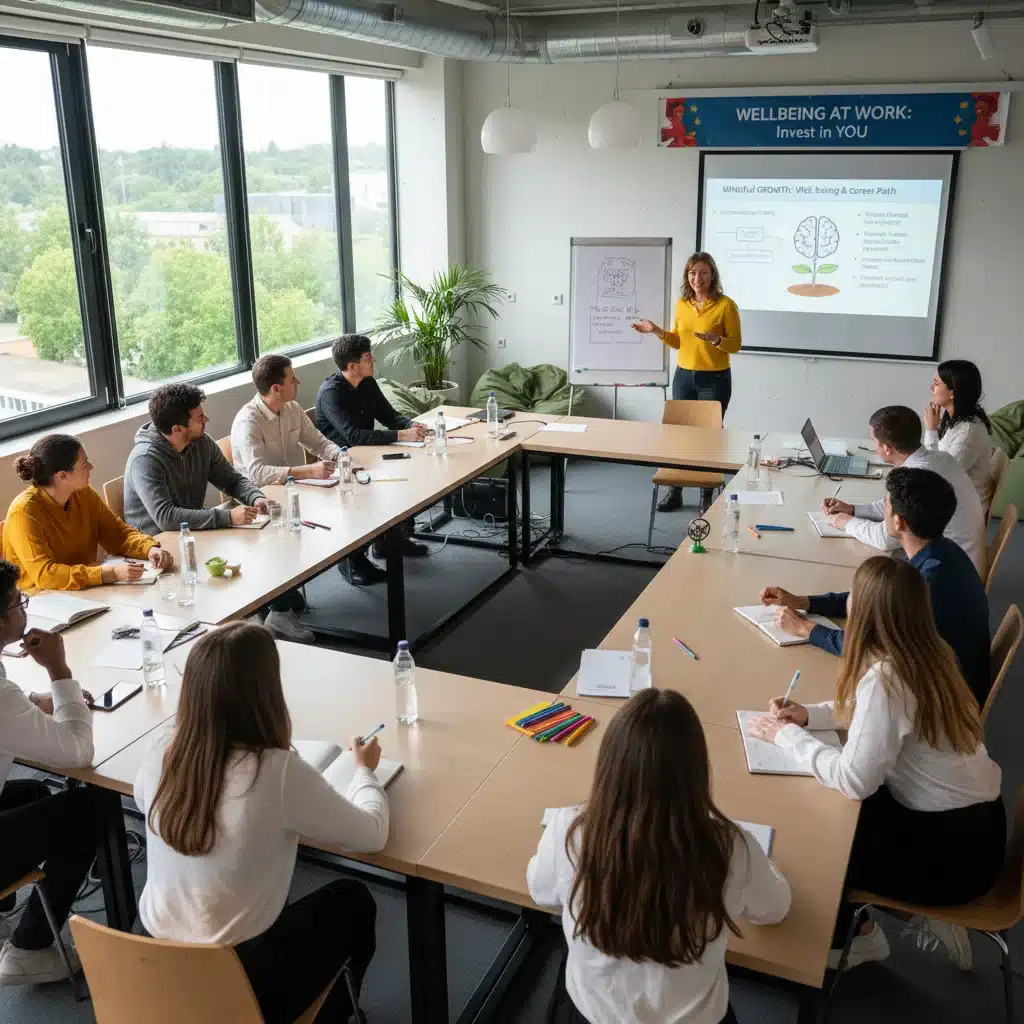
5. The Need for Transparent and Frequent Feedback
Having grown up with instant gratification and constant digital communication, Gen Z expects transparent and frequent feedback in the workplace. The traditional annual performance review cycle is often seen as outdated and insufficient. They crave real-time insights into their performance, clear expectations, and actionable guidance on how to improve. This isn’t about constant praise; it’s about clarity, direction, and a desire to continuously refine their skills and contributions.
For Gen Z, feedback is a two-way street. They not only expect to receive feedback from their managers and peers but also expect their own voices to be heard and acted upon. They are comfortable providing upward feedback, challenging norms, and suggesting improvements, and they expect their input to be taken seriously. This fosters a culture of open communication and mutual respect, where ideas can flow freely regardless of hierarchical position. The impact of Gen Z on workplace culture is making feedback a continuous dialogue, not a periodic event.
In daily work life, this translates into a preference for regular check-ins, informal conversations, and immediate recognition of achievements or areas for improvement. Managers who adopt a coaching style, offering guidance and support rather than just directives, will resonate well with Gen Z. Performance management systems should be updated to support continuous feedback loops, perhaps through project-based reviews or digital platforms that allow for real-time comments and recognition. The absence of feedback can be interpreted by Gen Z as a lack of interest or a sign that their work doesn’t matter, leading to disengagement.
Organizations should encourage a culture where feedback is seen as a gift, a tool for growth, rather than a critique. Training managers on how to deliver constructive feedback effectively and how to actively listen to employee input is crucial. Implementing anonymous feedback channels or regular pulse surveys can also provide valuable insights into employee sentiment and areas for improvement within the organization. By embracing transparent and frequent feedback, companies can build trust, improve performance, and create a more dynamic and responsive work environment that genuinely values its Gen Z employees.
6. Tech-Savviness and Digital Fluency as a Baseline Expectation
As digital natives, Gen Z enters the workforce with an inherent tech-savviness and digital fluency that is often a baseline expectation rather than a unique skill. They have grown up with smartphones, social media, and instant access to information, making them adept at navigating digital tools and platforms. This proficiency influences their expectations for workplace technology, communication methods, and overall operational efficiency. The impact of Gen Z on workplace culture means that organizations must prioritize robust and intuitive digital infrastructure.
For Gen Z, outdated technology or cumbersome digital processes are not just inconveniences; they are barriers to productivity and sources of frustration. They expect to work with the latest software, collaborative tools, and efficient digital workflows that mirror the seamless experiences they encounter in their personal lives. This includes everything from project management software and communication platforms to data analytics tools and AI-powered assistants. They are often quick to adopt new technologies and can be valuable resources for identifying and implementing innovative digital solutions within the organization.
In daily work, this translates into a preference for digital communication channels like Slack, Microsoft Teams, or other instant messaging platforms over traditional email for quick queries and collaborations. They are comfortable with video conferencing, cloud-based document sharing, and mobile-first applications. Companies that invest in modern, user-friendly technology will empower their Gen Z employees to work more efficiently and effectively. Conversely, organizations clinging to legacy systems or manual processes will likely see lower engagement and productivity from this tech-forward generation.
Furthermore, Gen Z expects a certain level of digital literacy from their colleagues and leaders. They are often willing to share their knowledge and help others adapt to new tools, but they also expect a commitment from the organization to bridge any digital skill gaps. Providing training on new software, encouraging digital experimentation, and fostering a culture of technological adoption are essential. This generation views technology as an enabler, a tool to streamline tasks, enhance collaboration, and drive innovation. By embracing their digital fluency, businesses can unlock new levels of efficiency and competitive advantage in the modern economy. The tech-savviness of Gen Z isn’t just a personal trait; it’s a catalyst for digital transformation in the workplace.
Conclusion: Adapting to the Future of Work with Gen Z
The impact of Gen Z on workplace culture is undeniable and will only continue to grow as more members of this generation enter and advance within the workforce. The six daily trends we’ve explored – the demand for authentic purpose, prioritization of flexibility, emphasis on DEI, desire for continuous learning, need for transparent feedback, and inherent tech-savviness – paint a clear picture of a generation that is not just adapting to the world of work but actively shaping it. For businesses looking to thrive in 2026 and beyond, understanding and strategically responding to these trends is not an option; it’s a necessity.
Organizations that embrace these shifts will find themselves with a highly engaged, innovative, and loyal workforce. This means moving beyond superficial changes and committing to a deep cultural transformation that prioritizes purpose, well-being, inclusivity, growth, open communication, and cutting-edge technology. It requires leadership to be more adaptable, empathetic, and forward-thinking. It also means recognizing that the traditional employer-employee dynamic is evolving into a more collaborative partnership, where mutual respect and shared values are paramount.
The future of work, heavily influenced by Gen Z, is one that values authenticity over artifice, flexibility over rigidity, impact over mere profit, and continuous growth over stagnation. By proactively integrating these values into their strategies, companies can attract the brightest young minds, foster environments where everyone can flourish, and ultimately build more resilient and successful enterprises in an increasingly competitive global landscape. The journey to adapt to the Gen Z workplace trends is an ongoing one, but the rewards – a vibrant, dynamic, and future-ready organization – are well worth the effort. Embracing the impact of Gen Z on workplace culture is not just about accommodating a new generation; it’s about building a better, more sustainable future for all.