Bridging Generational Gaps: 4 Strategies for Workplace Collaboration in 2026
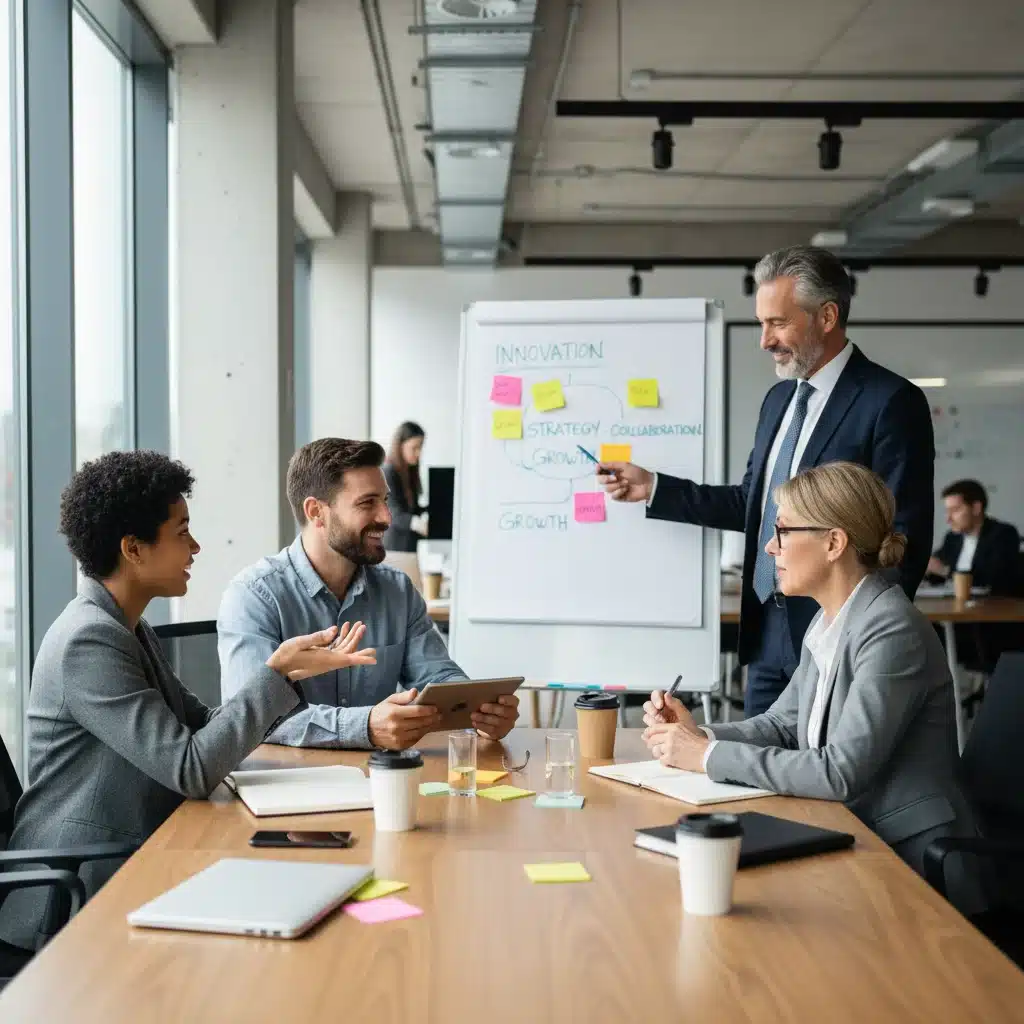
The modern U.S. workplace is a vibrant tapestry woven with threads from multiple generations. From the seasoned wisdom of Baby Boomers to the innovative drive of Gen Z, each cohort brings a unique set of experiences, values, and expectations. While this diversity is a tremendous asset, it also presents a nuanced challenge: bridging the generational divide to foster genuine collaboration. In an increasingly dynamic and competitive landscape, organizations that master generational workplace collaboration will be the ones that thrive. As we look towards 2026 and beyond, understanding and implementing effective cultural strategies are not just beneficial; they are imperative.
The concept of generational workplace collaboration isn’t merely about getting different age groups to work in the same room. It’s about consciously cultivating an environment where varied perspectives are valued, communication flows seamlessly, and mutual respect forms the bedrock of every interaction. It’s about transforming potential friction points into opportunities for growth, innovation, and enhanced productivity. This comprehensive guide will delve into four practical cultural strategies that U.S. workplaces can adopt to achieve this crucial synergy.
Understanding the Generational Landscape in U.S. Workplaces
Before we explore solutions, it’s vital to grasp the characteristics of each generation currently populating the U.S. workforce. While generalizations can be reductive, they offer a starting point for understanding underlying preferences and motivations. The primary generations in today’s workplaces include:
- Baby Boomers (born 1946-1964): Often characterized by their strong work ethic, loyalty, and preference for traditional hierarchies and face-to-face communication. They value experience and often see work as central to their identity.
- Generation X (born 1965-1980): Known for their independence, pragmatism, and adaptability. They are often self-reliant, value work-life balance, and are comfortable with technology, though perhaps not as digitally native as younger generations.
- Millennials (Generation Y, born 1981-1996): The largest segment of the workforce, Millennials seek purpose-driven work, continuous feedback, and opportunities for growth. They are digitally fluent, value collaboration, and prioritize flexibility and social impact.
- Generation Z (born 1997-2012): The newest entrants, Gen Z are true digital natives, highly entrepreneurial, and value authenticity, diversity, and rapid career progression. They are comfortable with remote work, highly tech-savvy, and often prioritize mental well-being and social justice.
The inherent differences in these generations – from their preferred communication channels to their career aspirations and views on authority – can lead to misunderstandings if not proactively managed. The goal is not to eliminate these differences but to harness them, transforming potential friction into dynamic synergy for effective generational workplace collaboration.
Strategy 1: Cultivating a Culture of Empathy and Mutual Respect
At the heart of successful generational workplace collaboration lies a deep-seated culture of empathy and mutual respect. This isn’t something that can be mandated; it must be intentionally cultivated through leadership, training, and everyday interactions. When employees genuinely understand and appreciate the diverse perspectives of their colleagues, irrespective of age, the groundwork for effective teamwork is laid.
Leading with Empathy: The Role of Management
Leaders play a pivotal role in setting the tone. Managers must model empathetic behavior, actively listening to concerns from all generations, and demonstrating an understanding of their unique challenges and motivations. This means:
- Active Listening: Moving beyond simply hearing words to truly understanding the underlying feelings and needs of employees.
- Perspective-Taking: Encouraging leaders to put themselves in the shoes of employees from different generations to better understand their viewpoints on work, technology, and career progression.
- Fairness and Inclusivity: Ensuring that opportunities, feedback, and recognition are distributed equitably, without unconscious bias towards any particular age group.
Cross-Generational Training and Workshops
Structured training can be incredibly effective in breaking down stereotypes and building bridges. Workshops can focus on:
- Generational Awareness: Educating employees about the typical characteristics, strengths, and communication styles of each generation. This helps demystify differences and reduces judgment.
- Unconscious Bias Training: Addressing ageism and other biases that can inadvertently hinder collaboration. This helps employees recognize and mitigate their own preconceived notions.
- Communication Skills: Teaching effective communication strategies that transcend generational preferences, focusing on clarity, active listening, and adaptability.
By investing in these foundational elements, organizations create an environment where every employee feels seen, heard, and valued, paving the way for robust generational workplace collaboration.
Strategy 2: Implementing Structured Mentorship and Reverse Mentorship Programs
One of the most powerful ways to bridge generational gaps and foster generational workplace collaboration is through structured mentorship programs. These programs facilitate direct, meaningful interaction and knowledge transfer between different age groups, creating a symbiotic relationship where everyone learns and grows.
Traditional Mentorship: Leveraging Experience
Traditional mentorship pairs more experienced (often older) employees with less experienced (often younger) ones. This allows for the transfer of institutional knowledge, industry insights, and career wisdom. Benefits include:
- Career Development: Mentees gain invaluable guidance, accelerating their professional growth and understanding of organizational culture.
- Knowledge Retention: Companies retain critical knowledge and skills that might otherwise be lost through retirement or turnover.
- Enhanced Engagement: Mentors often feel a renewed sense of purpose and fulfillment by contributing to the development of others.
For this to be effective, mentorship programs need clear objectives, structured check-ins, and training for both mentors and mentees on how to make the most of the relationship.
Reverse Mentorship: Tapping into New Perspectives
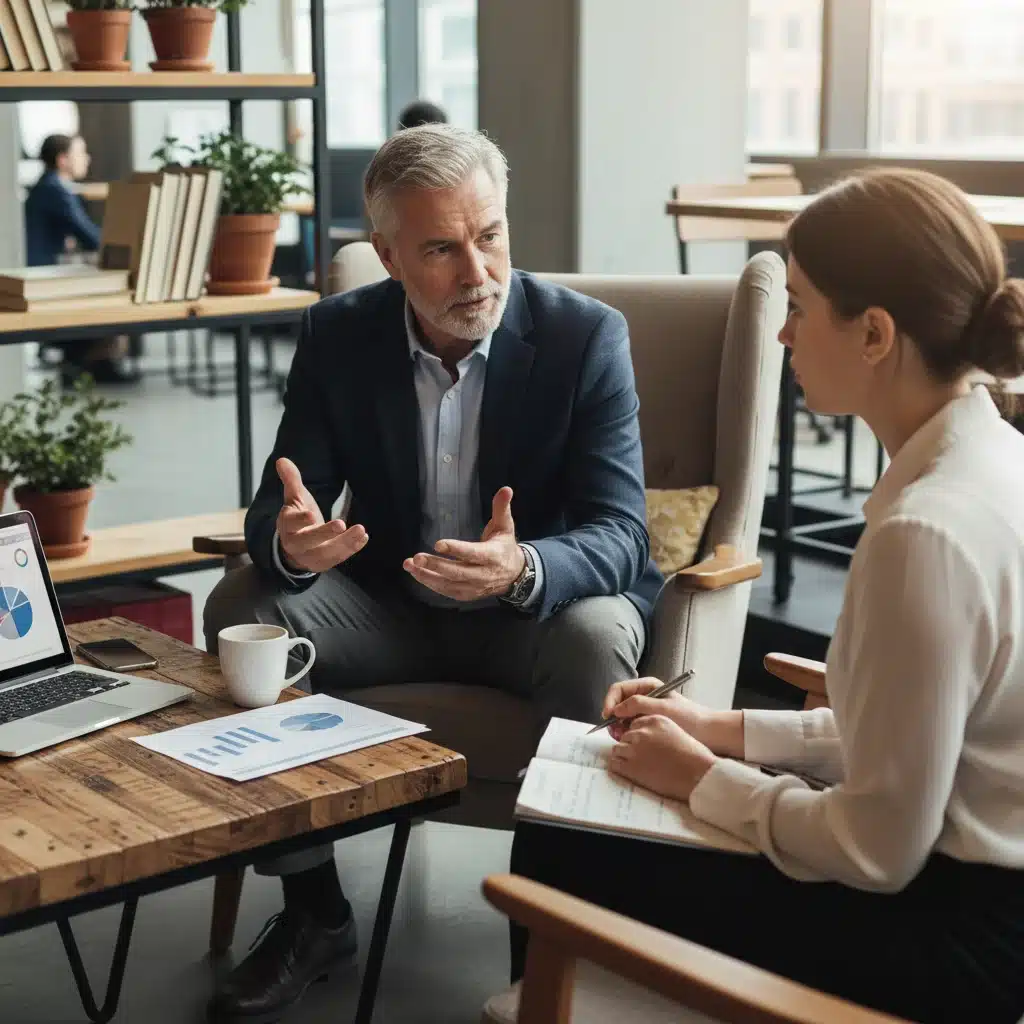
Reverse mentorship flips the traditional model, pairing younger employees with older, more senior colleagues. This strategy is particularly effective in today’s rapidly evolving technological landscape. Younger generations, especially Gen Z and Millennials, are often more adept with new technologies, social media, and emerging communication trends. Through reverse mentorship, they can teach their older colleagues about:
- Digital Literacy: Navigating new software, platforms, and digital tools.
- Social Media and Branding: Understanding the nuances of online presence and digital marketing.
- Emerging Trends: Insights into new market trends, consumer behaviors, and innovative business models.
- Diversity and Inclusion: Younger generations often bring fresh perspectives on D&I issues, which can benefit senior leadership.
This reciprocal learning fosters humility, breaks down hierarchical barriers, and promotes mutual respect, significantly boosting generational workplace collaboration. It demonstrates that valuable knowledge flows in all directions, not just top-down.
Strategy 3: Optimizing Communication Channels and Styles
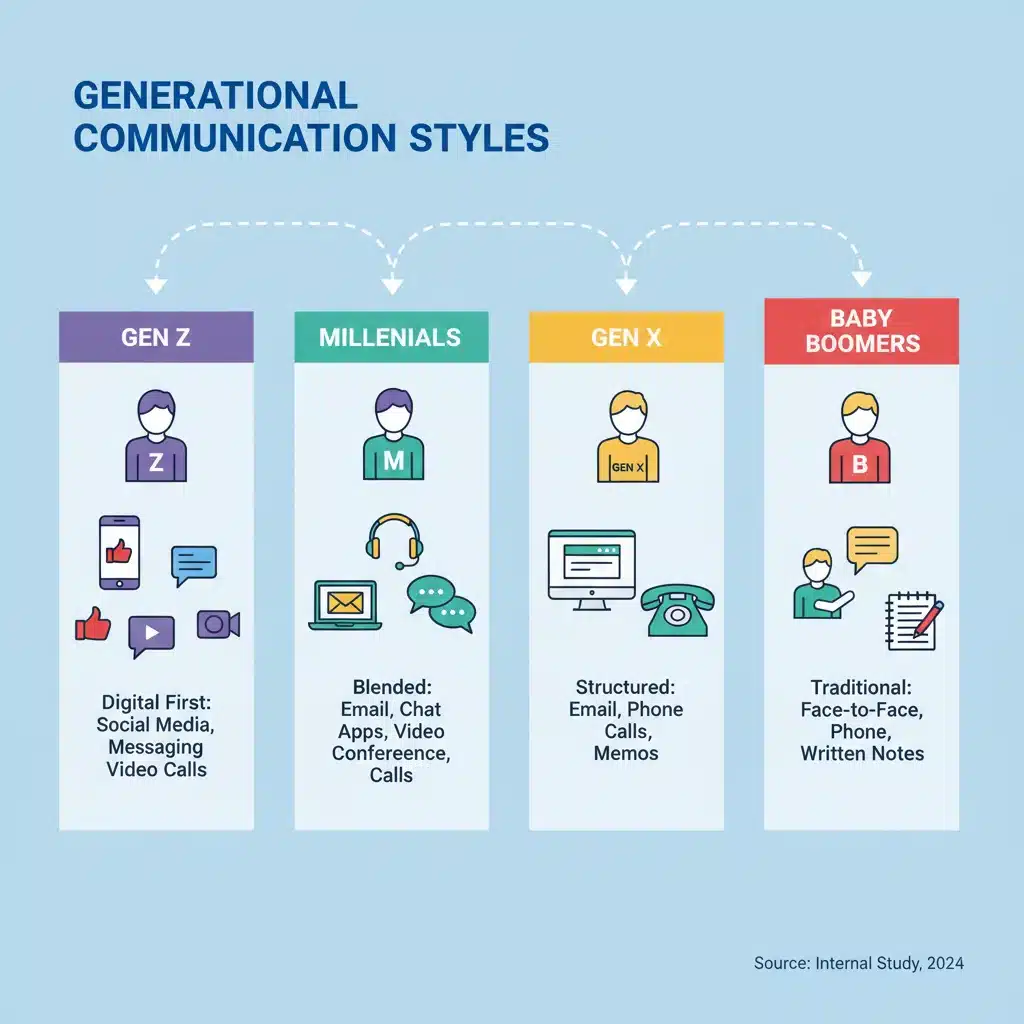
Communication is the lifeblood of any organization, and differences in preferred communication channels and styles are a primary source of generational friction. Successfully navigating these differences is paramount for effective generational workplace collaboration. The key is to adopt a multi-channel approach and encourage flexibility.
Understanding Generational Communication Preferences
- Baby Boomers: Often prefer face-to-face meetings, phone calls, and formal emails. They value detailed information and structured discussions.
- Generation X: Comfortable with email and direct, concise communication. They appreciate efficiency and less formality than Boomers.
- Millennials: Embrace a blend of digital tools – email, instant messaging, video conferencing – and value open, frequent feedback. They prefer collaborative platforms.
- Generation Z: Heavily reliant on instant messaging, collaboration tools (e.g., Slack, Teams), and short, visual content. They expect rapid responses and transparency.
Implementing a Multi-Channel Communication Strategy
To ensure everyone feels included and effectively informed, organizations should:
- Offer Choices: Provide multiple channels for important announcements and discussions. For example, a company-wide update could be shared via email, a brief video message, and discussed in a team meeting.
- Standardize Key Information: Ensure that critical information is always accessible through a central, reliable source (e.g., an intranet, project management software) that everyone knows how to use.
- Encourage Adaptability: Train employees to be flexible in their communication. A Gen Z employee might need to learn the art of a formal email, while a Baby Boomer might need to become proficient in using an instant messaging platform for quick queries.
- Clarify Expectations: Establish clear guidelines on when to use which channel. For instance, urgent matters might require a phone call, while routine updates can be handled via email or a collaboration platform.
By consciously managing and optimizing communication, workplaces can significantly reduce misunderstandings and enhance the flow of information, thereby bolstering generational workplace collaboration.
Strategy 4: Fostering Flexible Work Environments and Inclusive Policies
The concept of a ‘flexible work environment’ means different things to different generations, yet its implementation is a powerful tool for promoting generational workplace collaboration. Inclusive policies that acknowledge and accommodate diverse needs can significantly improve job satisfaction, retention, and overall teamwork.
Understanding Generational Needs for Flexibility
- Baby Boomers: May appreciate flexible retirement options, part-time schedules, or opportunities to transition into advisory roles. They might value stability but also seek flexibility to pursue personal interests.
- Generation X: Often juggling family responsibilities (e.g., caring for children or elderly parents), so they highly value work-life balance, remote work options, and compressed workweeks.
- Millennials: Seek autonomy and flexibility in where and when they work. They are comfortable with remote work and value results over strict adherence to traditional office hours.
- Generation Z: Expect flexibility as a given. They are highly adaptable to remote and hybrid models and prioritize mental well-being, often seeking work arrangements that support their personal lives.
Implementing Inclusive Work Policies
To cater to these varied needs, organizations should consider:
- Hybrid Work Models: Offering a blend of in-office and remote work options allows employees to choose the environment where they are most productive and comfortable. This can accommodate different preferences for social interaction versus focused work.
- Flexible Hours: Moving away from rigid 9-to-5 schedules to allow for staggered start/end times or compressed workweeks. This empowers employees to manage personal commitments while fulfilling their professional responsibilities.
- Results-Oriented Work Environment (ROWE): Focusing on outcomes rather than hours spent at a desk. This trusts employees to manage their time effectively and can be highly motivating across all generations.
- Comprehensive Benefits Packages: Offering benefits that appeal to a multi-generational workforce, such as robust healthcare (important for older generations), student loan repayment assistance (attractive to younger generations), mental health support, and generous parental leave.
- Professional Development Opportunities: Providing continuous learning and upskilling opportunities that cater to different career stages and interests. This shows investment in employees at all ages.
By creating a workplace that is flexible and inclusive, companies demonstrate that they value their employees as individuals, fostering a sense of belonging and significantly enhancing generational workplace collaboration.
Overcoming Challenges and Measuring Success
While these strategies lay a strong foundation for improved generational workplace collaboration, implementing them is not without its challenges. Resistance to change, deeply ingrained stereotypes, and a lack of resources can all hinder progress. It’s crucial for organizations to approach this transformation with patience, persistence, and a commitment to continuous improvement.
Common Hurdles and How to Address Them:
- Resistance to Change: Some employees, regardless of generation, may be comfortable with the status quo. Leaders must clearly articulate the ‘why’ behind these initiatives, emphasizing the benefits for individuals and the organization as a whole. Pilot programs and early successes can help build momentum.
- Stereotypes and Biases: Unconscious biases are pervasive. Regular, engaging training and open discussions are essential to challenge preconceived notions and promote a more nuanced understanding of each generation’s strengths.
- Resource Constraints: Implementing new programs requires time and investment. Start small with pilot projects, leverage internal champions, and demonstrate ROI to secure further resources.
- Technology Gaps: Bridging the digital divide within the workforce can be challenging. Provide adequate training and support for all employees to become proficient with essential digital tools, ensuring no one is left behind.
Measuring the Impact of Collaboration Strategies:
To ensure these strategies are effective, organizations must establish clear metrics for success. This could include:
- Employee Engagement Surveys: Track scores related to inter-departmental collaboration, perceived fairness, and sense of belonging across different age groups.
- Retention Rates: Monitor turnover rates for each generation. Improved collaboration often leads to higher job satisfaction and lower attrition.
- Productivity and Innovation Metrics: Assess project completion rates, quality of output, and the number of innovative ideas generated by cross-generational teams.
- Feedback from Mentorship Programs: Gather testimonials and quantitative data on the perceived value and impact of mentorship and reverse mentorship pairings.
- Communication Effectiveness: Conduct pulse surveys or focus groups to gauge how well information is flowing and if communication preferences are being met.
Regularly reviewing these metrics allows organizations to refine their approaches, ensuring that their efforts towards generational workplace collaboration are yielding tangible, positive results.
The Future of Generational Workplace Collaboration in 2026 and Beyond
As the demographic makeup of the U.S. workforce continues to evolve, the ability to foster strong generational workplace collaboration will only become more critical. By 2026, many workplaces will see five generations working side-by-side, each bringing distinct values shaped by their unique historical contexts. Organizations that proactively embrace and integrate these diverse perspectives will not only gain a competitive edge but also cultivate richer, more resilient, and more innovative cultures.
The strategies outlined – cultivating empathy, implementing mentorship, optimizing communication, and fostering flexibility – are not one-time fixes. They represent an ongoing commitment to building a workplace where every individual, regardless of age, feels empowered to contribute their best. This commitment transforms potential generational divides into powerful bridges for collective success.
In conclusion, the future of work is collaborative, diverse, and inherently multi-generational. By investing in cultural strategies that actively promote understanding, respect, and synergy across age groups, U.S. workplaces can unlock unparalleled potential, drive innovation, and build a thriving environment for all employees in 2026 and well into the future. The time to act is now, laying the groundwork for a truly integrated and high-performing workforce.