Intergenerational Living Trends 2026: U.S. Family Dynamics Evolve
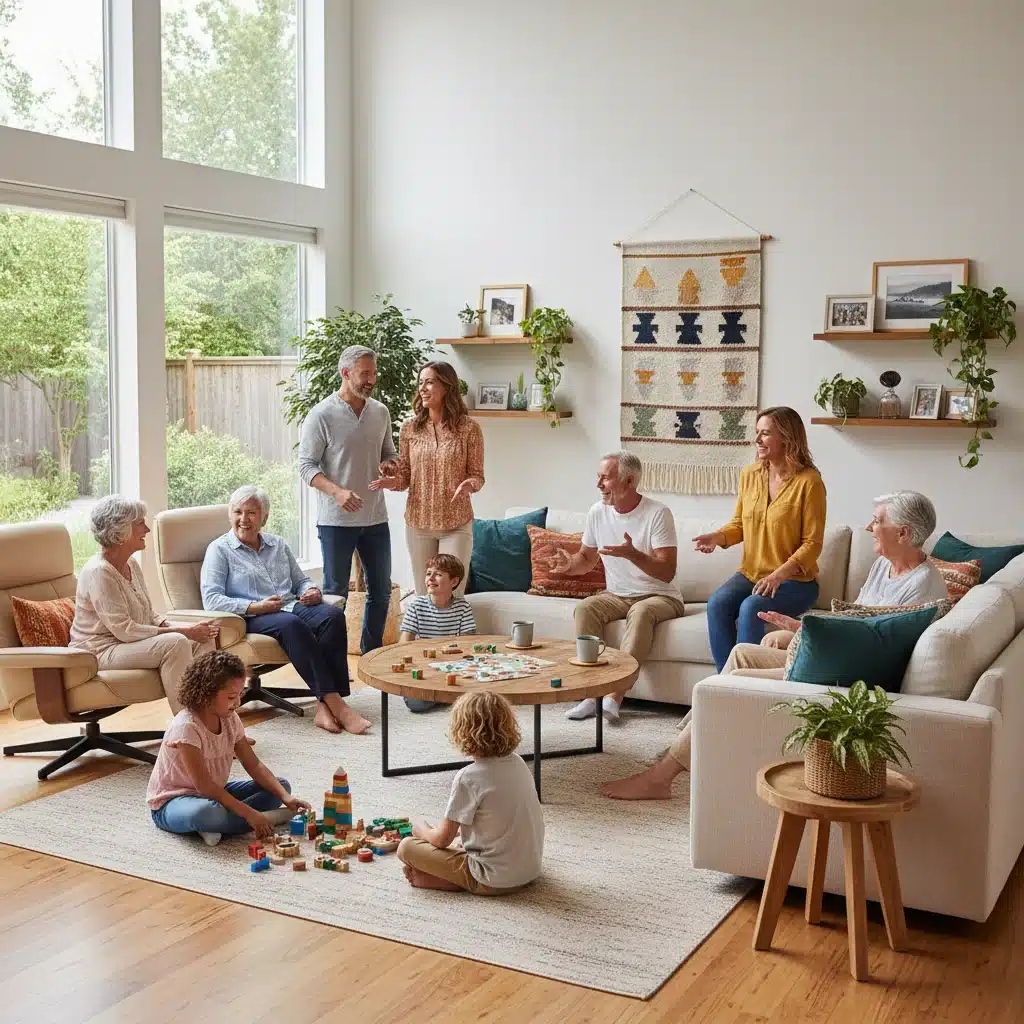
The fabric of American family life is continually reweaving itself, adapting to economic pressures, social shifts, and evolving personal preferences. In 2026, one of the most prominent threads in this tapestry is the significant resurgence and transformation of Intergenerational Living Trends. Once a common necessity, multi-generational households are now increasingly viewed as a deliberate choice, offering a compelling blend of economic stability, emotional support, and cultural enrichment.
This comprehensive exploration delves into the recent updates and future projections for Intergenerational Living Trends in the United States, examining the driving forces behind this phenomenon, the multifaceted benefits it offers, the inherent challenges, and the innovative solutions emerging to support this evolving family dynamic. From financial considerations to emotional well-being, and from housing design to legal frameworks, we will uncover the intricate layers that define and shape this crucial aspect of modern American family life.
The Resurgence of Intergenerational Living: A 2026 Perspective
While often associated with historical periods or specific cultural groups, multi-generational living has experienced a notable resurgence across diverse demographics in the U.S. The latest data for 2026 indicates a continued upward trajectory, affirming its status as a significant and growing housing and family trend. This isn’t merely a return to tradition; it’s a redefinition, driven by a confluence of contemporary factors.
One of the primary catalysts for this resurgence is the persistent economic volatility. The rising cost of living, including housing, education, and healthcare, has made independent living increasingly challenging for many, particularly younger generations and seniors. Sharing resources within a multi-generational household offers a practical and often necessary solution to alleviate financial burdens.
Beyond economics, there’s a growing appreciation for the non-financial benefits. The desire for stronger family bonds, mutual support, and the rich exchange of knowledge and experiences between generations are powerful motivators. Grandparents often find renewed purpose in contributing to childcare and household management, while adult children benefit from their wisdom and experience. Younger generations bring vitality and technological savvy, creating a dynamic and supportive environment for all.
Key Statistics and Demographics Driving the Trend
Recent studies and census data underscore the significant growth in multi-generational households. In 2026, it’s estimated that nearly one in five Americans lives in a household with at least two adult generations, or with grandparents and grandchildren. This represents a substantial increase over the past few decades, reflecting a fundamental shift in living arrangements.
- Millennials and Gen Z: These generations face unprecedented economic challenges, including student loan debt, stagnant wages, and soaring housing costs. Living with parents or grandparents allows them to save money, pay off debt, and achieve financial milestones that might otherwise be out of reach.
- Seniors: As the population ages, many seniors are seeking alternatives to traditional retirement homes or living alone. Multi-generational homes offer companionship, caregiving support, and a sense of belonging, often delaying or eliminating the need for institutional care.
- Immigrant Families: For many immigrant communities, multi-generational living is a deeply ingrained cultural norm, prioritizing family cohesion and mutual support. Their continued growth in the U.S. population naturally contributes to the overall trend.
- Diverse Geographic Reach: While more prevalent in certain urban or high-cost-of-living areas, the trend is not confined to specific regions. It’s becoming a nationwide phenomenon, adapting to local conditions and needs.
Economic Imperatives: A Driving Force
The economic landscape of 2026 plays a pivotal role in the acceleration of Intergenerational Living Trends. Financial pressures are arguably the most significant factor compelling families to consolidate households.
Addressing Housing Affordability
The housing crisis continues to be a formidable challenge across the U.S. Skyrocketing home prices, coupled with rising interest rates and a competitive rental market, make independent housing unattainable for many. By pooling resources, families can afford larger homes, make mortgage payments more manageable, or even purchase properties they wouldn’t be able to individually.
This shared financial burden not only eases immediate pressure but also allows for greater long-term financial planning. Savings from shared housing can be redirected towards investments, education, or retirement funds, strengthening the overall financial stability of the family unit.
Shared Expenses and Cost Savings
Beyond housing, the benefits of shared expenses are substantial. Utility bills, groceries, property taxes, and even insurance premiums can be significantly reduced when shared among multiple adults. This economy of scale frees up capital that can be used for other essential needs or discretionary spending, improving the quality of life for all household members.
Furthermore, the informal childcare provided by grandparents often eliminates the need for expensive daycare, a significant financial relief for working parents. Similarly, adult children can provide care and assistance to aging parents, potentially delaying or avoiding the high costs associated with professional in-home care or assisted living facilities.
Social and Emotional Benefits: Beyond the Balance Sheet
While economic factors are compelling, the social and emotional advantages of Intergenerational Living Trends are equally profound and increasingly recognized as primary motivators for families. These benefits contribute significantly to the overall well-being and resilience of family members.
Enhanced Family Bonds and Support Systems
Living under one roof naturally fosters stronger relationships. Daily interactions, shared meals, and collaborative problem-solving create a deeper sense of connection and belonging. Children benefit from having multiple caregivers and mentors, absorbing diverse perspectives and life lessons from their elders. Seniors, in turn, feel valued and engaged, combating loneliness and isolation.
The built-in support system is invaluable during times of crisis, illness, or personal challenge. Whether it’s an extra hand during a busy week, emotional comfort during a difficult period, or practical assistance with daily tasks, the presence of multiple family members provides a robust network of reciprocal support that is often lacking in single-family households.
Caregiving and Childcare Advantages
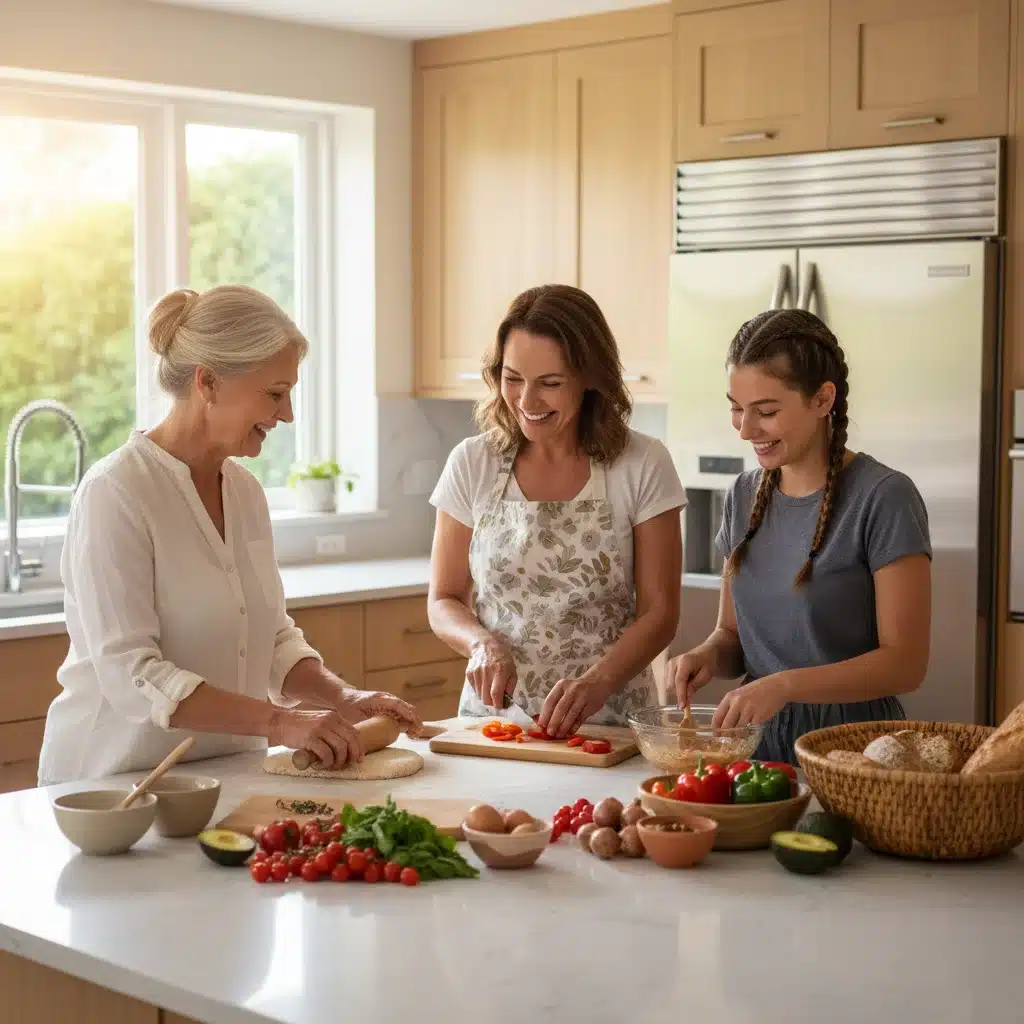
The caregiving aspect is a cornerstone of modern multi-generational living. For working parents, the presence of grandparents can provide reliable, loving, and often free childcare. This arrangement not only saves money but also offers children the unique developmental benefits of spending significant time with their grandparents, who often bring a different style of nurturing and play.
Conversely, adult children can more easily provide care for aging parents. As the population ages, the demand for elder care is surging. Living together allows for more immediate supervision, assistance with daily activities, medication management, and companionship, often improving the quality of life for seniors and giving adult children peace of mind.
Cultural Transmission and Legacy
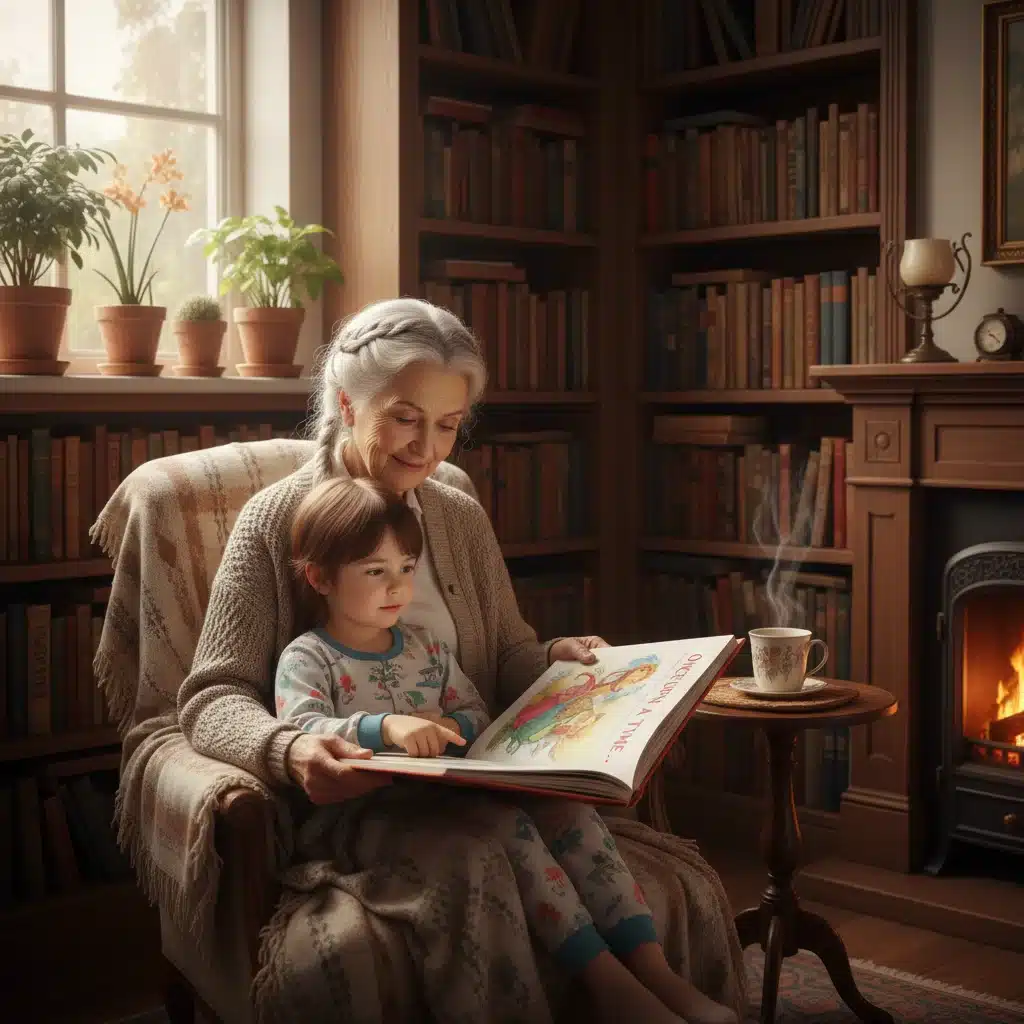
Multi-generational homes serve as vital conduits for cultural transmission. Traditions, stories, values, and family histories are passed down more organically and frequently when generations live in close proximity. This enriches the lives of younger family members, providing them with a strong sense of identity and heritage. For elders, it offers a profound sense of purpose and the assurance that their legacy will endure.
Challenges and Considerations in Multi-Generational Living
Despite the numerous benefits, Intergenerational Living Trends are not without their challenges. Navigating the complexities of shared living requires careful planning, open communication, and a willingness to compromise.
Privacy and Personal Space
One of the most frequently cited challenges is the need for privacy and personal space. Multiple adults and children living under one roof can lead to feelings of being overcrowded or a lack of individual retreat. Thoughtful home design, perhaps with separate living areas, entrances, or even distinct wings, can mitigate this issue. Establishing clear boundaries and respecting individual needs for solitude are paramount.
Communication and Conflict Resolution
Effective communication strategies is the bedrock of successful multi-generational living. Differences in parenting styles, household management, financial contributions, and personal habits can lead to friction. Establishing clear expectations, roles, and responsibilities from the outset, and having regular family meetings to address concerns, are essential for harmonious cohabitation. Learning healthy conflict resolution strategies is also crucial.
Financial Arrangements and Legal Implications
While financial benefits are a major draw, managing shared finances can be a source of tension. Clear agreements on who pays for what, how bills are split, and how major expenses are handled are vital. Legal considerations, such as property ownership, wills, and power of attorney, also become more complex in multi-generational arrangements and should be addressed with professional legal advice.
Caregiving Burnout and Role Reversal
For adult children caring for aging parents, there’s a risk of caregiver burnout. The demands of balancing work, personal life, and caregiving can be overwhelming. Similarly, grandparents providing extensive childcare may feel their retirement years are consumed by responsibilities. Open discussions about capacity, boundaries, and the potential need for external support are important to prevent resentment and ensure sustainable arrangements.
Innovative Solutions and Housing Designs for 2026
As Intergenerational Living Trends continue to grow, housing developers, architects, and urban planners are responding with innovative solutions designed to facilitate harmonious cohabitation. The focus is on creating spaces that offer both connection and privacy, flexibility and functionality.
Flexible Home Layouts and ADUs
New home constructions and renovations are increasingly incorporating flexible layouts that cater to multi-generational needs. This includes features like:
- Dual Master Suites: Offering independent living spaces for two adult generations.
- Separate Entrances: Providing a sense of autonomy and privacy.
- Kitchenettes/Wet Bars: Allowing for independent meal preparation in designated areas.
- Adaptable Rooms: Spaces that can serve as a home office, guest room, or an additional bedroom as family needs evolve.
Accessory Dwelling Units (ADUs), also known as granny flats or in-law suites, are also gaining immense popularity. These smaller, independent living units built on the same property as a primary home offer a perfect balance of proximity and privacy, allowing family members to be close while maintaining their own space.
Community Planning and Support Networks
Beyond individual homes, some communities are being designed with multi-generational living in mind. This includes:
- Mixed-Age Developments: Communities that intentionally integrate housing for different age groups, fostering natural intergenerational interaction.
- Shared Amenities: Common spaces like community gardens, recreational facilities, and gathering areas that encourage social engagement across age groups.
- Local Support Services: The availability of services such as senior centers, youth programs, and family counseling to support the unique needs of multi-generational households.
Technological Integration for Enhanced Living
Technology plays an increasingly important role in supporting multi-generational households. Smart home systems can enhance safety and convenience for all residents, particularly seniors. For example, smart lights, voice-activated assistants, and security cameras can provide peace of mind. Communication apps and video conferencing tools also help maintain connections with family members who may live further afield or facilitate communication within the home when direct interaction isn’t possible.
The Future of Family: Implications for Society and Policy
The rise of Intergenerational Living Trends has significant implications that extend beyond individual families, impacting broader societal structures and calling for thoughtful policy responses.
Societal Resilience and Community Building
As more families embrace multi-generational living, there’s a potential for increased societal resilience. Stronger family units can act as better safety nets, reducing reliance on public services for care and support. This trend can also foster more cohesive communities, as the increased interaction between generations within households can translate into greater engagement and understanding in the wider community.
Policy Adaptations and Support
Governments and local authorities are beginning to recognize the importance of supporting multi-generational living. Policy adaptations might include:
- Zoning Law Reforms: Relaxing restrictions on ADUs and multi-family dwellings in single-family zones.
- Tax Incentives: Offering tax breaks for families who modify their homes to accommodate multi-generational living or for those who provide care for elderly family members.
- Affordable Housing Initiatives: Developing programs that specifically support multi-generational housing solutions.
- Community Resource Allocation: Directing resources towards services that benefit families with diverse age groups.
Impact on the Economy and Workforce
The economic impact of Intergenerational Living Trends is multifaceted. By easing childcare burdens and elder care costs, it can enable more adults to participate in the workforce, boosting productivity. It can also stimulate demand for specific housing types and related services, creating new economic opportunities. Furthermore, the financial stability fostered within these households can lead to increased consumer spending and investment.
Conclusion: Embracing the Evolving Family Landscape
The Intergenerational Living Trends observed in 2026 are more than just a fleeting phenomenon; they represent a fundamental and potentially enduring shift in how American families choose to live, support each other, and thrive. Driven by a blend of economic necessity and a deep desire for connection, these multi-generational households are proving to be a resilient and adaptable model for modern life.
While challenges such as privacy concerns and communication complexities require proactive management, the overwhelming benefits—from shared financial burdens and enhanced caregiving to stronger family bonds and cultural preservation—make this trend increasingly attractive. As society continues to evolve, embracing and supporting these dynamic living arrangements will be crucial for fostering stronger families, more resilient communities, and a more interconnected future.
For families considering this path, careful planning, open dialogue, and a willingness to adapt are key. For policymakers and developers, understanding and responding to these evolving needs with innovative housing solutions and supportive policies will be essential to building a society that truly caters to the diverse and changing face of the American family.