Bridging Generational Gaps: 3 Communication Strategies 2026

Bridging Generational Gaps: 3 Effective Communication Strategies for 2026 (Insider Knowledge)
The modern workplace is a vibrant tapestry woven from diverse threads of experience, perspective, and expectation. At its core, this diversity often manifests as generational differences, with Baby Boomers, Generation X, Millennials, and Generation Z all contributing their unique strengths. While this mix can be a powerful engine for innovation and growth, it can also lead to communication breakdowns if not managed effectively. As we look towards 2026, understanding and implementing effective generational communication strategies is no longer optional; it’s a critical imperative for organizational success. This article delves into insider knowledge, offering three potent strategies to bridge generational gaps and foster a harmonious, productive environment.
The landscape of work is continually evolving, driven by technological advancements, shifting societal values, and the entrance of new generations into the workforce. Each generation brings with it a distinct set of communication preferences, work ethics, and expectations regarding leadership, feedback, and collaboration. Ignoring these nuances can lead to misunderstandings, decreased morale, and ultimately, a hit to productivity. Conversely, mastering the art of intergenerational communication can unlock unprecedented levels of creativity, knowledge transfer, and employee engagement. Our focus is on providing actionable insights that will equip leaders and teams with the tools to navigate these complexities successfully in the coming years.
The Evolving Workplace: Why Generational Communication Matters More Than Ever
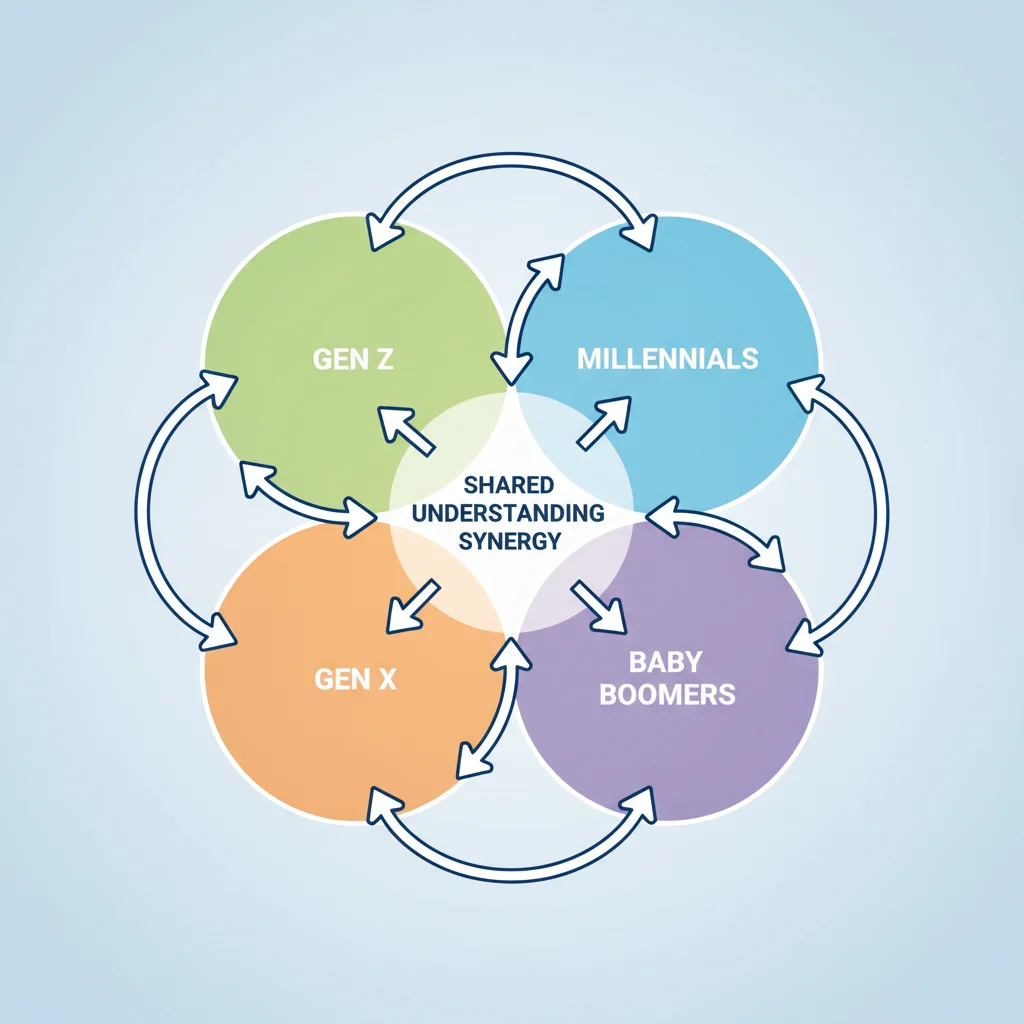
Before diving into specific strategies, it’s crucial to understand the underlying forces making generational communication strategies so vital for 2026. The workforce is currently experiencing an unprecedented convergence of four to five distinct generations. For the first time in history, we have Baby Boomers extending their careers, Gen X in leadership roles, Millennials forming the largest segment of the workforce, and Gen Z rapidly entering and shaping entry-level positions. Each of these groups has been shaped by different historical contexts, technological revolutions, and economic realities, leading to variations in how they perceive work, success, and interaction.
Understanding the Generational Divide: A Quick Overview
- Baby Boomers (born 1946-1964): Often value loyalty, hard work, face-to-face communication, and traditional hierarchies. They typically prefer formal feedback and appreciate recognition for their experience.
- Generation X (born 1965-1980): Known for their independence, adaptability, and skepticism. They value work-life balance, direct communication, and prefer autonomy. They are often the bridge between Boomers and younger generations.
- Millennials (born 1981-1996): Seek purpose in their work, value collaboration, constant feedback, and professional development. They are digital natives and prefer integrated technology in their workflow.
- Generation Z (born 1997-2012): True digital natives, highly self-reliant, entrepreneurial, and value diversity and authenticity. They thrive on instant communication, visual content, and expect transparency and rapid career progression.
The sheer diversity in these characteristics means that a one-size-fits-all communication approach is destined to fail. Leaders and organizations that recognize and proactively address these differences are the ones that will thrive. Effective generational communication strategies are the bedrock for fostering a culture of inclusion, retaining top talent across age groups, and harnessing the collective intelligence of a multi-generational team.
Strategy 1: Cultivating a Culture of Empathy and Active Listening
The first and perhaps most fundamental strategy for bridging generational gaps is to cultivate a deep culture of empathy and active listening. This goes beyond simply hearing what someone says; it involves truly understanding their perspective, motivations, and underlying needs, regardless of their age or generation. In 2026, where digital interactions often dominate, the deliberate practice of empathy becomes even more critical.
Empathy as a Core Competency
Empathy isn’t just a soft skill; it’s a strategic imperative. When employees from different generations feel understood and valued, they are more likely to engage, collaborate, and contribute their best work. Leaders must model empathetic behavior, demonstrating curiosity about different generational viewpoints rather than making assumptions. This involves:
- Perspective-Taking: Encouraging team members to actively try and see situations from another generation’s point of view. For example, a Gen Z employee might struggle with a hierarchical decision-making process, while a Baby Boomer might find rapid, informal digital communication overwhelming. Understanding these differing comfort zones is key.
- Emotional Intelligence Training: Implementing workshops and training programs focused on enhancing emotional intelligence, particularly in understanding non-verbal cues, managing conflict, and expressing ideas respectfully across diverse groups.
- Creating Safe Spaces for Dialogue: Establishing forums where employees can openly discuss their experiences, challenges, and preferences without fear of judgment. This could be through dedicated intergenerational team meetings, mentorship programs, or informal coffee chats.
The Power of Active Listening
Active listening is the practical application of empathy in communication. It involves:
- Undivided Attention: Putting away distractions (phones, laptops) and giving the speaker your full attention.
- Clarifying Questions: Asking open-ended questions to ensure you fully grasp their message and perspective. For instance, instead of assuming a younger employee prefers all feedback via instant message, ask, “What’s the most effective way for me to share feedback with you?”
- Summarizing and Reflecting: Paraphrasing what you’ve heard to confirm understanding and demonstrate that you’ve processed their message. This is particularly effective when discussing potentially sensitive topics or differing work styles.
- Validating Feelings: Acknowledging the speaker’s emotions, even if you don’t agree with their viewpoint. “I hear that you feel frustrated with the pace of this project,” can open the door to a more productive conversation.
By prioritizing empathy and active listening, organizations can dismantle barriers, reduce misunderstandings, and build a foundation of trust that is essential for effective generational communication strategies. This strategy is about fostering human connection above all else, recognizing that behind every generational stereotype is an individual with unique experiences and expectations.
Strategy 2: Implementing Flexible Communication Channels and Protocols
In an increasingly digital world, relying on a single mode of communication is a recipe for generational friction. The second crucial strategy for 2026 is to implement flexible communication channels and protocols that cater to the diverse preferences of each generation. This doesn’t mean abandoning traditional methods; rather, it’s about offering a spectrum of options and empowering employees to choose what works best for specific contexts, while also setting clear expectations.
Multi-Channel Approach
Different generations have varying levels of comfort and proficiency with different communication tools. While Gen Z might prefer instant messaging platforms and video calls, Baby Boomers might still value email or even a phone call. Gen X and Millennials often bridge these preferences, utilizing a mix. An effective multi-channel approach involves:
- Hybrid Meetings: Offering both in-person and virtual options for meetings, ensuring all participants can engage effectively regardless of their location or comfort with technology. This also includes providing clear agendas and follow-up notes for all attendees.
- Diverse Digital Tools: Utilizing a suite of communication tools – from email for formal announcements, Slack/Teams for quick updates and collaboration, project management software for task tracking, and video conferencing for discussions. The key is to provide guidance on when to use each tool.
- Clear Communication Norms: Establishing guidelines for each channel. For example, “Email for official requests, chat for urgent questions, and a quick call for complex discussions.” This reduces ambiguity and ensures messages are received and understood appropriately.
Tailoring Feedback and Recognition
Feedback and recognition are powerful motivators, but their effectiveness hinges on how they are delivered. Generational preferences play a significant role here:
- Gen Z & Millennials: Often prefer frequent, informal, and immediate feedback, often through digital channels or quick check-ins. They thrive on continuous learning and appreciate recognition that is public and tied to their impact.
- Gen X: Typically prefer direct, honest feedback, often in a one-on-one setting. They value autonomy and recognition that acknowledges their problem-solving skills and independence.
- Baby Boomers: May prefer more formal, structured feedback sessions and appreciate recognition that highlights their experience, loyalty, and contributions over time.
Leaders should be adaptable in their approach, asking individuals about their preferred feedback methods and adjusting accordingly. This personalized approach to feedback and recognition is a cornerstone of effective generational communication strategies.

Strategy 3: Promoting Reverse Mentoring and Cross-Generational Collaboration
The third strategy moves beyond mere understanding to active engagement and mutual learning: promoting reverse mentoring and fostering environments for cross-generational collaboration. This strategy recognizes that wisdom and valuable skills flow in all directions, not just top-down or from older to younger.
The Power of Reverse Mentoring
Reverse mentoring flips the traditional mentoring model on its head. Here, younger employees mentor older, more experienced colleagues on topics where the younger generation typically has greater expertise. This often includes:
- Technology Adoption: Guiding senior leaders on new software, social media platforms, digital marketing trends, or collaborative tools.
- Digital Fluency: Helping older generations understand internet culture, online communication nuances, and the digital landscape.
- New Perspectives: Offering fresh insights into emerging markets, consumer behavior, and evolving work-life expectations.
The benefits of reverse mentoring are multifaceted. For the mentee (often a senior leader), it provides invaluable skills and perspectives crucial for navigating the modern business world. For the mentor (often a younger employee), it offers opportunities for leadership development, increased visibility, and a sense of value and contribution. This direct interaction breaks down stereotypes, builds rapport, and fosters mutual respect, making it a highly effective component of generational communication strategies.
Designing for Cross-Generational Collaboration
Beyond formal mentoring, organizations should actively design projects and initiatives that necessitate cross-generational collaboration. This means creating teams where diverse age groups are intentionally mixed, ensuring that different perspectives are brought to bear on challenges and opportunities. Key elements include:
- Diverse Project Teams: When forming teams for new projects, ensure a deliberate mix of generations. This variety of viewpoints can lead to more innovative solutions and a broader understanding of market needs. For example, a marketing campaign team could benefit from a Gen Z’s understanding of TikTok, a Millennial’s grasp of Instagram, a Gen X’s strategic planning, and a Baby Boomer’s long-term brand perspective.
- Shared Goals and Interdependence: Structure projects so that team members from different generations are interdependent, meaning they need each other’s unique skills and knowledge to succeed. This fosters natural communication and collaboration.
- Facilitated Workshops: Organize workshops or brainstorming sessions specifically designed to leverage diverse generational insights. A facilitator can ensure all voices are heard and respectfully considered, preventing any single generation from dominating the discussion.
- Knowledge Transfer Initiatives: Implement programs where older employees can pass on institutional knowledge, historical context, and industry wisdom to younger colleagues, ensuring vital information isn’t lost. This can be combined with reverse mentoring to create a holistic learning environment.
By intentionally bringing generations together to work on shared objectives, organizations can transform potential points of friction into powerful engines of innovation and learning. This strategy is about leveraging the unique strengths of each generation to create a more robust and resilient organization, embodying the best of generational communication strategies.
Overcoming Common Challenges in Intergenerational Communication
While the strategies outlined above provide a strong framework, implementing them effectively requires addressing common challenges that arise when different generations interact. Understanding these obstacles is the first step toward overcoming them and strengthening your generational communication strategies.
Challenge 1: Stereotypes and Assumptions
One of the biggest hurdles is the prevalence of generational stereotypes. For example, assumptions that younger generations are lazy or constantly on their phones, or that older generations are resistant to change or technologically inept. These stereotypes hinder open communication and create unconscious biases.
- Solution: Education and Awareness: Conduct workshops to challenge stereotypes and promote understanding of each generation’s unique contributions. Encourage personal storytelling to break down barriers and reveal individual experiences.
- Focus on Individual Strengths: Shift the focus from generational labels to individual skills and strengths. Recognize that within each generation, there’s a wide spectrum of personalities and work styles.
Challenge 2: Differing Communication Preferences
As discussed, communication preferences vary significantly. A Gen Z employee might find a detailed, formal email from a Baby Boomer colleague too long and prefer a concise chat message. Conversely, a Baby Boomer might find a string of emojis from a Gen Z peer unprofessional.
- Solution: Establish Clear Guidelines: Develop and communicate clear guidelines on when to use which communication channel. Provide examples of appropriate tone and content for different platforms.
- Encourage Open Dialogue about Preferences: During team meetings, explicitly discuss communication preferences. Ask team members, “How do you prefer to receive urgent updates?” or “What’s the best way to get feedback to you?”
Challenge 3: Varying Work Ethics and Values
Each generation has been influenced by different economic and social environments, leading to varied perceptions of work ethic, loyalty, and career progression. For instance, Baby Boomers might value long-term commitment to one company, while Gen Z might prioritize flexibility and rapid skill acquisition.
- Solution: Find Common Ground: Emphasize shared organizational goals and values that transcend generational differences. Highlight how diverse contributions collectively drive success.
- Offer Flexible Work Arrangements: Where possible, provide flexibility in work schedules, locations, and approaches. This demonstrates respect for different work styles and can be a powerful retention tool across all generations.
Challenge 4: Technology Gaps
The speed of technological change means that digital fluency can vary widely between generations. This can lead to frustration and inefficiencies if not managed proactively.
- Solution: Provide Training and Support: Offer ongoing training for new technologies, ensuring it’s accessible and tailored to different learning styles. Implement peer-to-peer training or the reverse mentoring discussed earlier.
- Standardize Tools (where appropriate): While offering flexible channels, it’s also important to standardize core tools to ensure everyone has access to the same resources and information.
By proactively addressing these common challenges, organizations can create a more inclusive and effective communication environment, paving the way for truly impactful generational communication strategies.
The Future of Work: A Blended Approach for 2026 and Beyond
As we advance towards 2026 and beyond, the multi-generational workforce will only become more pronounced. Organizations that proactively invest in robust generational communication strategies will not only avoid potential pitfalls but will also unlock significant competitive advantages. A blended approach, integrating the best practices from each generation, is the key to thriving in this dynamic environment.
Key Takeaways for Leaders and HR Professionals:
- Leadership by Example: Leaders must champion intergenerational understanding, actively participating in cross-generational initiatives and demonstrating empathetic communication.
- Continuous Learning and Adaptation: The communication landscape is constantly evolving. Organizations must commit to continuous learning, regularly assessing the effectiveness of their strategies and adapting them as new technologies emerge and new generations enter the workforce.
- Investment in Training and Development: Provide ongoing training not just on technical skills but also on crucial soft skills like emotional intelligence, active listening, and conflict resolution, tailored to intergenerational dynamics.
- Foster an Inclusive Culture: Create an environment where every voice feels heard, valued, and respected, regardless of age. Celebrate diversity in all its forms.
- Leverage Technology Wisely: Utilize technology to facilitate communication and collaboration, but always with an understanding of generational preferences and potential digital divides. Technology should augment, not replace, human connection.
The ultimate goal is to move beyond merely tolerating generational differences to actively celebrating and leveraging them. When organizations successfully implement these generational communication strategies, they create a synergistic environment where the wisdom of experience meets the fresh energy of innovation. This leads to enhanced problem-solving, greater employee satisfaction, reduced turnover, and a stronger, more adaptable organizational culture capable of meeting the demands of the future.
Conclusion: Building Bridges, Not Walls
Bridging generational gaps in the workplace is not a simple task, but it is an incredibly rewarding one. The three strategies – cultivating a culture of empathy and active listening, implementing flexible communication channels and protocols, and promoting reverse mentoring and cross-generational collaboration – provide a robust framework for success in 2026 and beyond. By adopting these insider insights, organizations can transform potential friction into a powerful force for unity, innovation, and sustained growth.
Embracing the rich tapestry of a multi-generational workforce is about building bridges, not walls. It’s about recognizing that each generation brings invaluable perspectives and skills to the table. When these are effectively woven together through thoughtful and deliberate communication, the collective potential of the organization is exponentially amplified. Investing in these generational communication strategies today will ensure a thriving, resilient, and future-ready workplace tomorrow.